

Madagascar, an Island Where Almost Nothing Lives Anywhere Else
An island that broke away before mammals spread, and grew a set of animals found nowhere else on the planet.
The Island Left Early, So Evolution Started Over
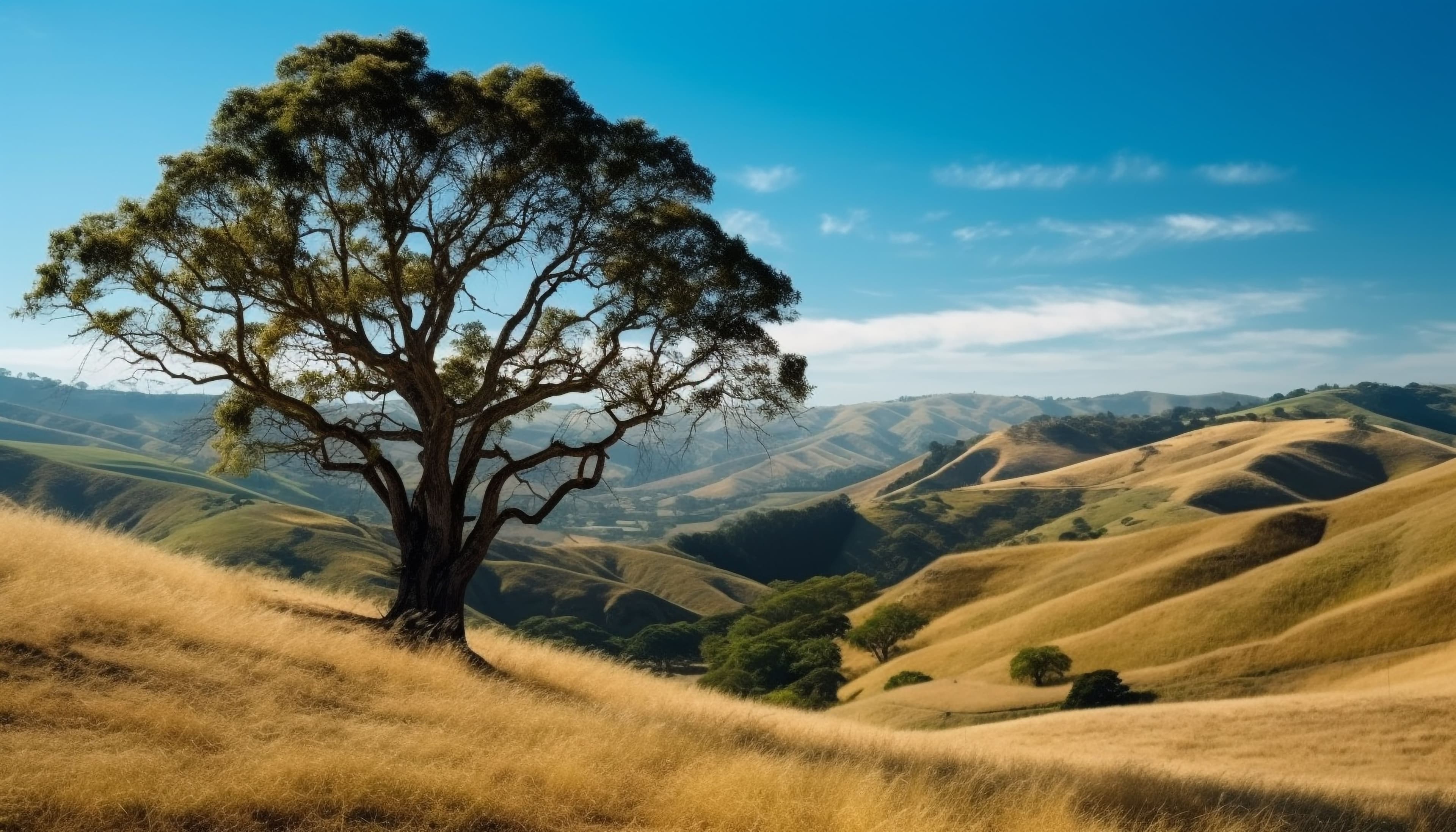
Madagascar split from the Indian landmass tens of millions of years ago and has been on its own ever since, giving whatever arrived on board, or drifted across later, the place to itself. The result is an island where roughly nine in ten species live nowhere else: over a hundred kinds of lemur, no monkeys at all, half the world's chameleon species, baobabs found only here, and leaf-shaped geckos you'd walk past twice before someone points them out. It's also poor, vast, and slow to cross, with little tourist infrastructure beyond the main lodges, which is exactly why it stays quiet, and why the trip needs proper planning.
Rainforest East, Limestone West, Sandstone South
Madagascar is the fourth largest island in the world, and each corner of it looks like a different country. Two regions is a realistic trip. Three is a full two weeks.
Andasibe
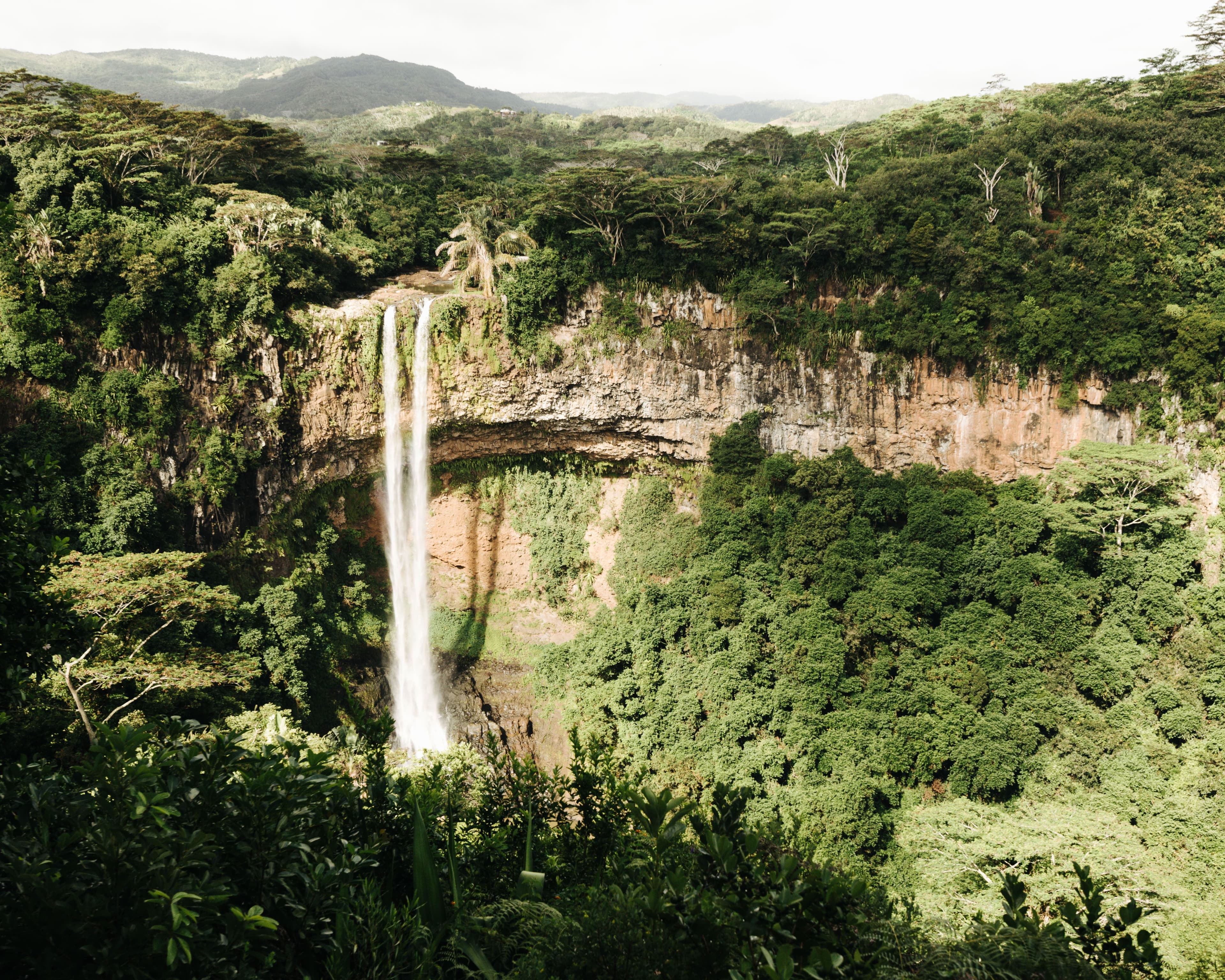
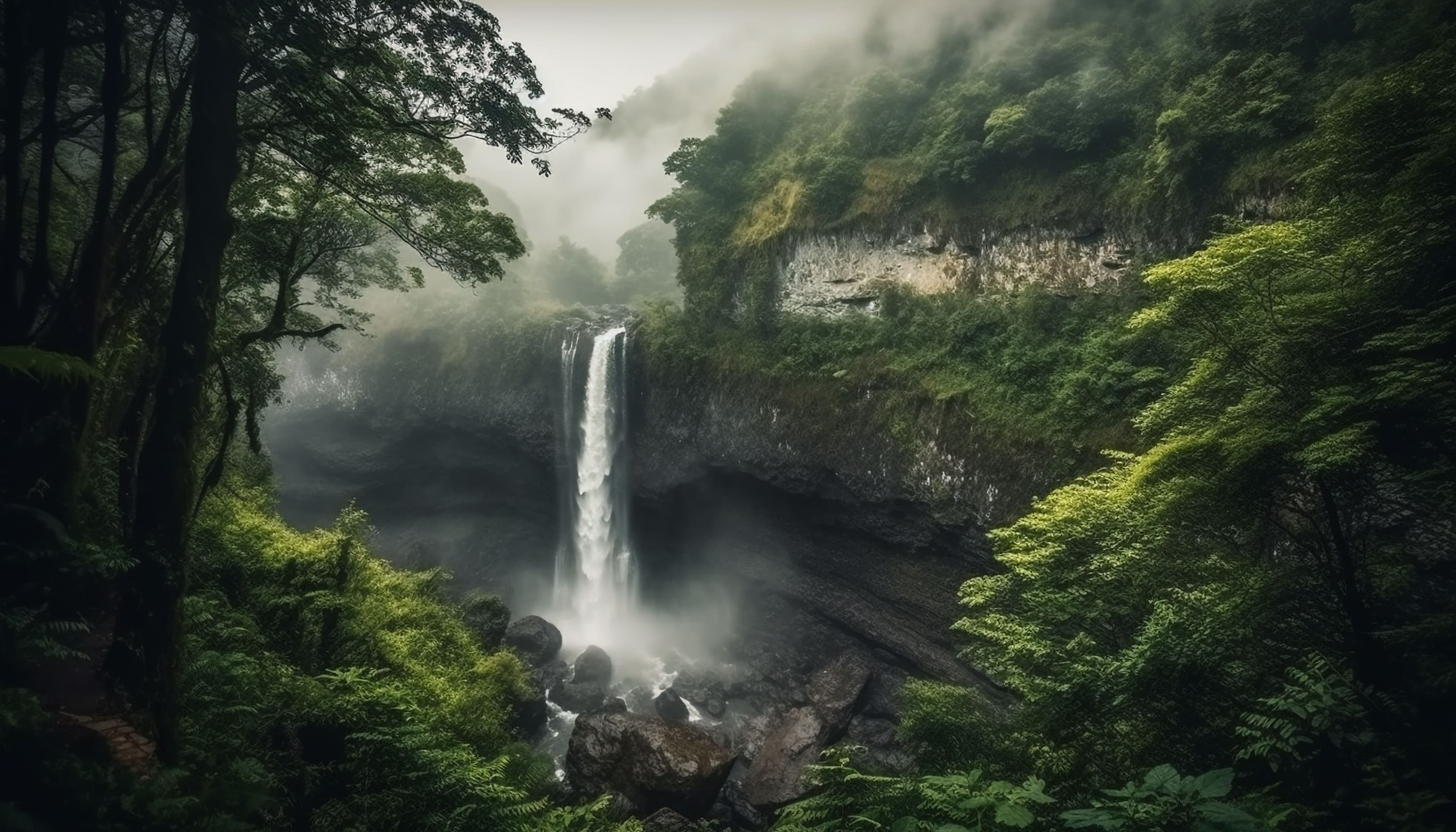
Rainforest a few hours east of the capital, and the easiest place to meet lemurs properly
The indri lives here, and its morning call carries for kilometres.
Tsingy de Bemaraha
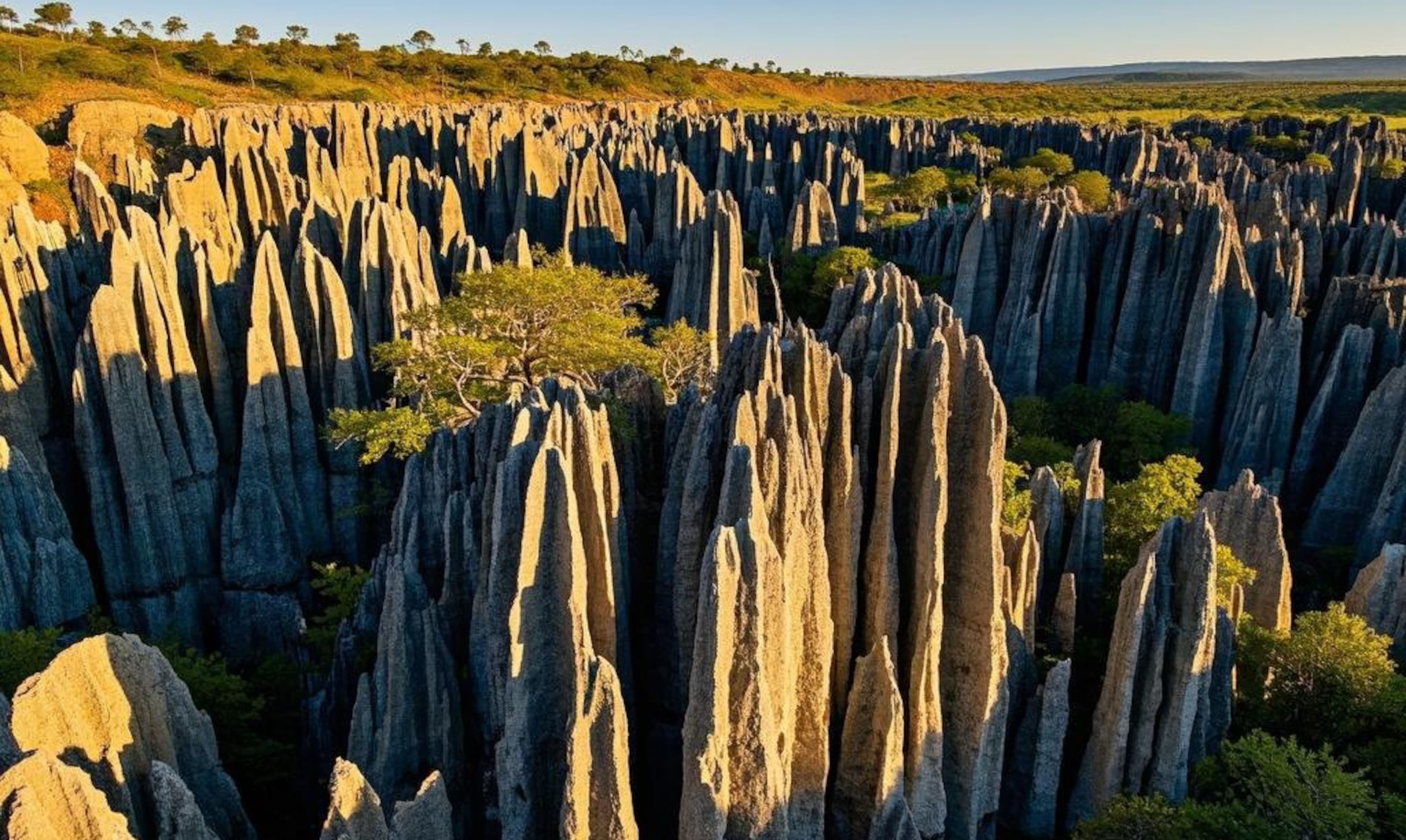
A forest of limestone blades and towers in the west
You cross it on ladders, walkways, and rope bridges. Getting there is genuinely hard, which is part of the point.
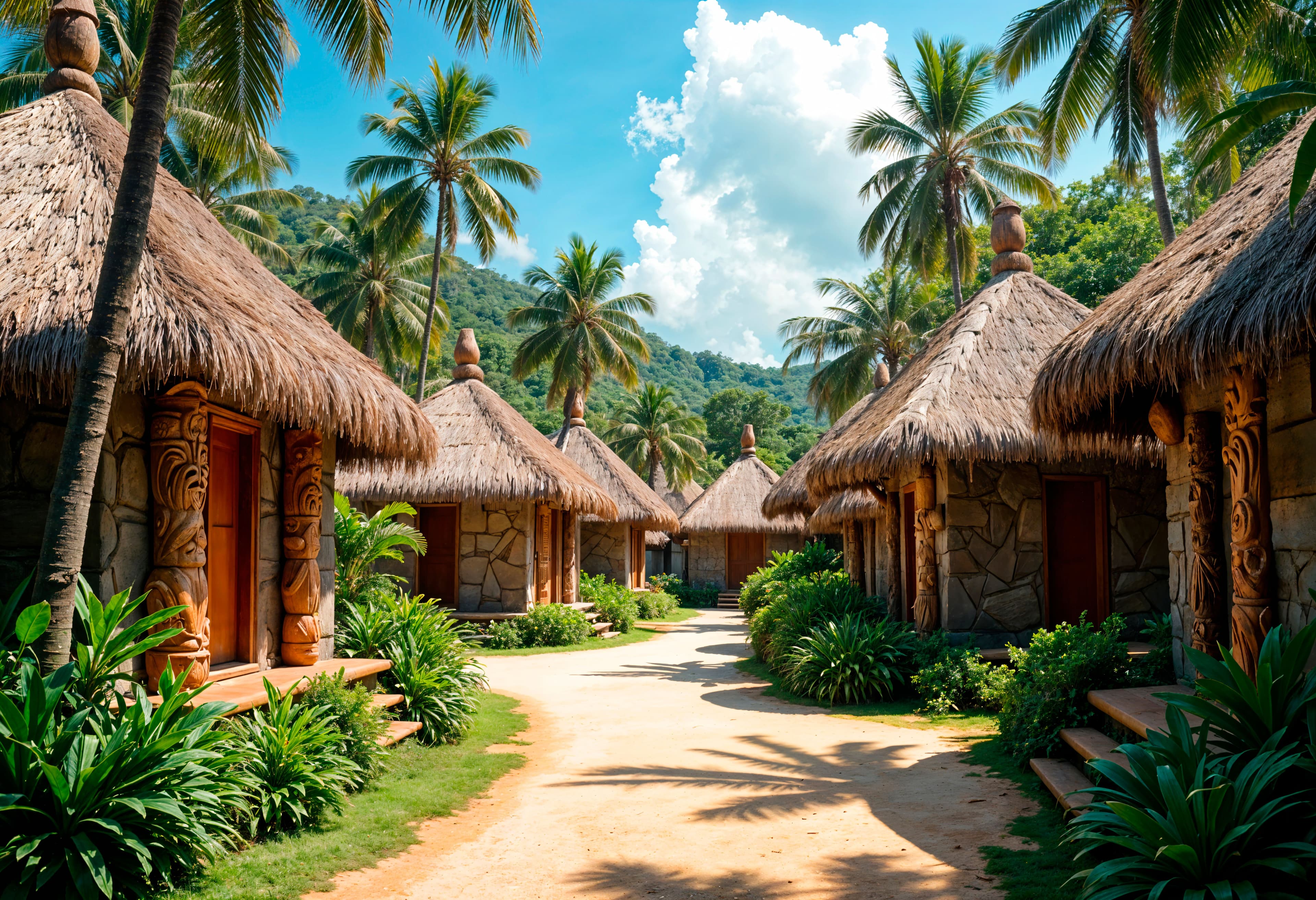
Isalo
Eroded sandstone in the south, cut into canyons and natural pools
Walking country, with ring-tailed lemurs and Bara burial sites in the rock.
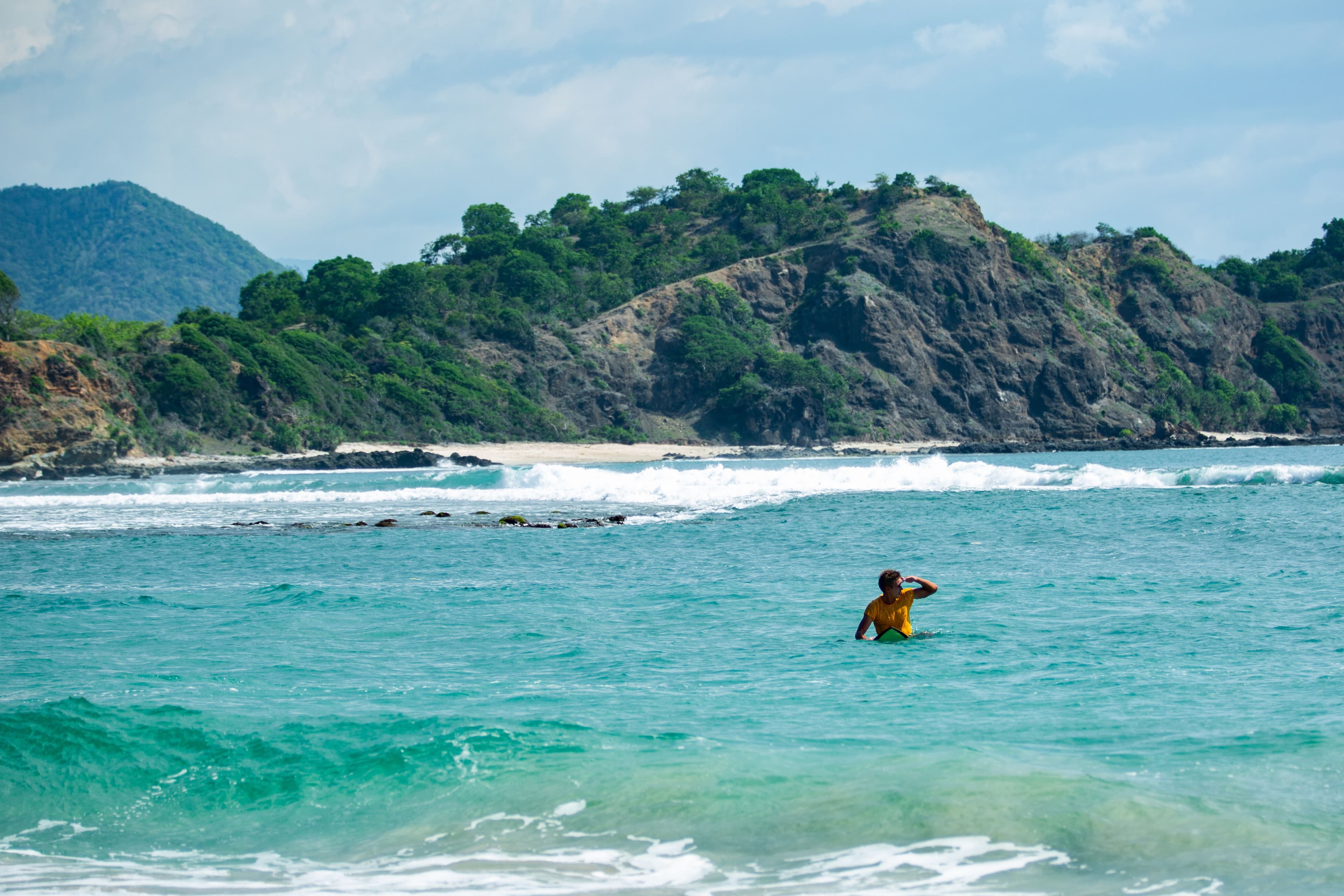
Nosy Be and the Coast
The slow finish
Warm water, quiet beaches, and a few days off the road after the driving.
Madagascar, the basics.
An island where almost nothing lives anywhere else, and the distances are longer than they look. Get a quick sense of when to visit and what kind of journey Madagascar is best suited for.
You Have Not Seen These Animals Before, Anywhere

Lemurs by Day, Everything Else After Dark
Lemur watching is not a game drive. You walk into the forest on foot with a tracker who knows which family sleeps where, and stand underneath them while they feed, with sifaka coming down to the ground between trees and crossing it sideways in long hops, the single strangest thing most travellers see all trip. The night walks are the other half, torchlight picking out eyes in the leaf litter, mouse lemurs the size of a fist, chameleons asleep on twigs, and leaf-tailed geckos pressed flat against bark and almost impossible to spot, since guided night walks are how most of the reptile list gets filled.
Send Us Your Dates
These Trees Were Standing Long Before the Road Was
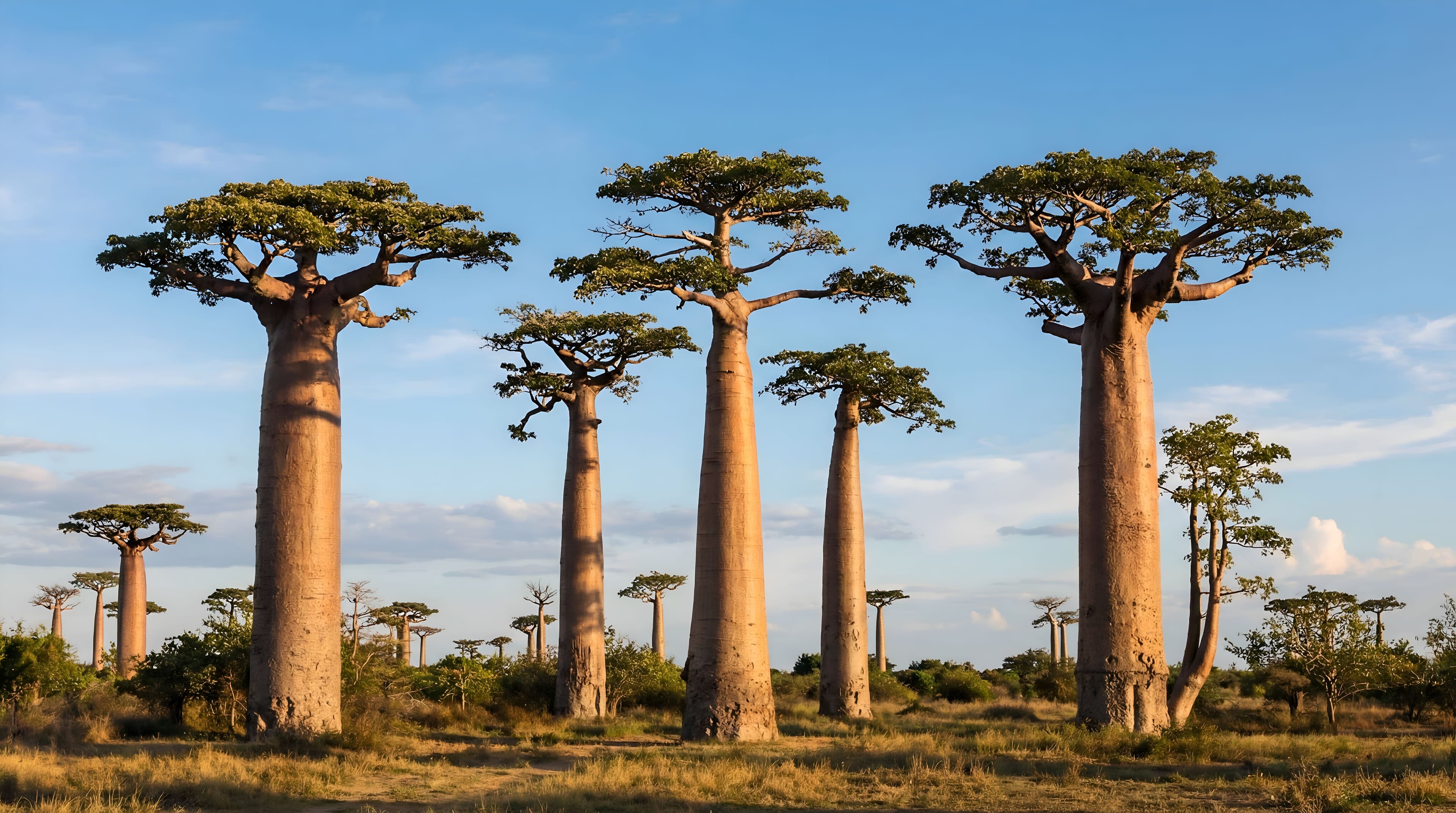
Near Morondava on the west coast, a dirt road runs between two lines of baobabs, enormous, bare-trunked, and top-heavy, left standing when the forest around them was cleared for farmland. Most are several hundred years old, and local people treat them as ancestors rather than scenery, which changes how the place feels once you know it. Go at sunrise or sunset, when the trunks turn red and the shadows run the length of the road, since it's the most photographed spot in Madagascar, and it still does not disappoint.
The Route Decides Everything Else
On most trips you choose the dates and fit the route around them, but Madagascar works the other way, since internal flights run to a limited schedule, some parks are reached only by long rough roads, and a route that looks tidy on a map can cost you three days of driving. So we start with what you most want to see, work out the honest travel time between those places, and only then talk about dates, asking how long you have and what matters most, lemurs, landscape, or a stretch on the coast at the end. Cost turns mainly on how many internal flights the route needs and which lodges you use, since flying costs more but buys back whole days, so send your dates and group size for a real figure.
Start PlanningWhat You Get When You Book Through Fortune
Two decades of running long routes have taught us what a trip actually needs, and we build every booking around that.
Two Decades of Long Routes
Nearly two decades sending travellers from Kerala across the world.
One Point of Contact
Flights, camps, transfers and paperwork all come back to the same team.
Trips Matched to the Traveller
A honeymoon route and a family route are not planned the same way.
Offices Across Kerala
With branches present in Kochi, Thiruvananthapuram, Thrissur and Kannur.
FAQ
Questions with useful answers
April to November. April to June and September to November are the strongest windows, with green landscapes and active wildlife. July and August are dry but cold in the highlands. December to March is cyclone season on the east coast.
Twelve to fourteen days for two or three regions. Anything shorter means either one region done well or a lot of the trip spent travelling.
Lemurs are close to guaranteed in the right parks, including the indri at Andasibe. Chameleons, geckos, and birds come mostly on night and early morning walks. There are no big cats or large game animals here.
Because the roads are slow and the distances are real. Flying between regions can save several days on a two-week trip, and on some routes it is the only sensible option.
It suits older children and teenagers who are genuinely interested in wildlife. The lemurs and night walks land well. Long transfers and basic infrastructure in places make it harder work than an easier first wildlife trip.
Route through a Gulf hub or Nairobi into Antananarivo, then continue by internal flight or road depending on where you are heading.