

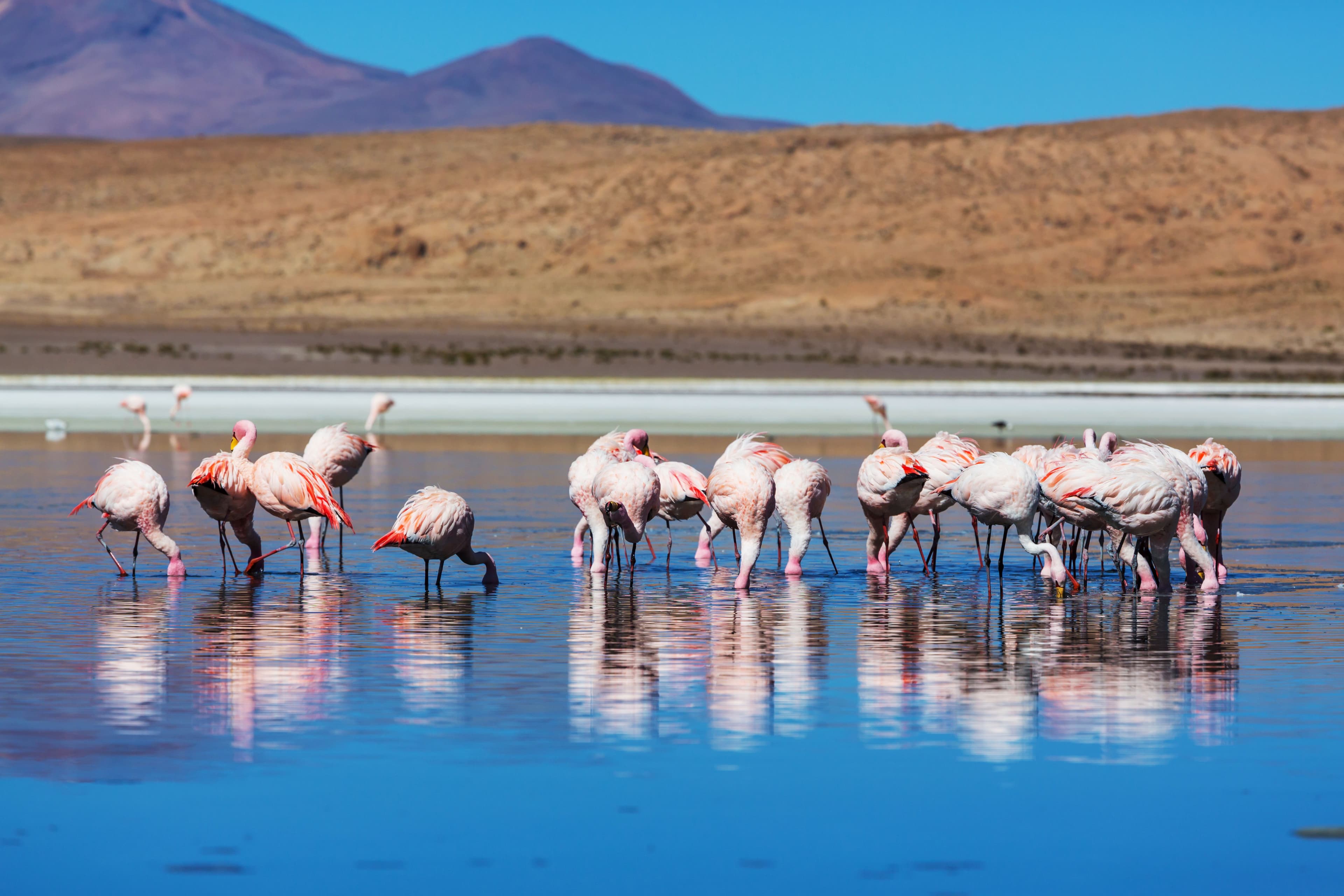
Namibia, a Country Made Mostly of Space
Red dunes four hundred metres high, a salt pan you can see from orbit, and roads with nothing on them for hours.
The Emptiness Is the Attraction
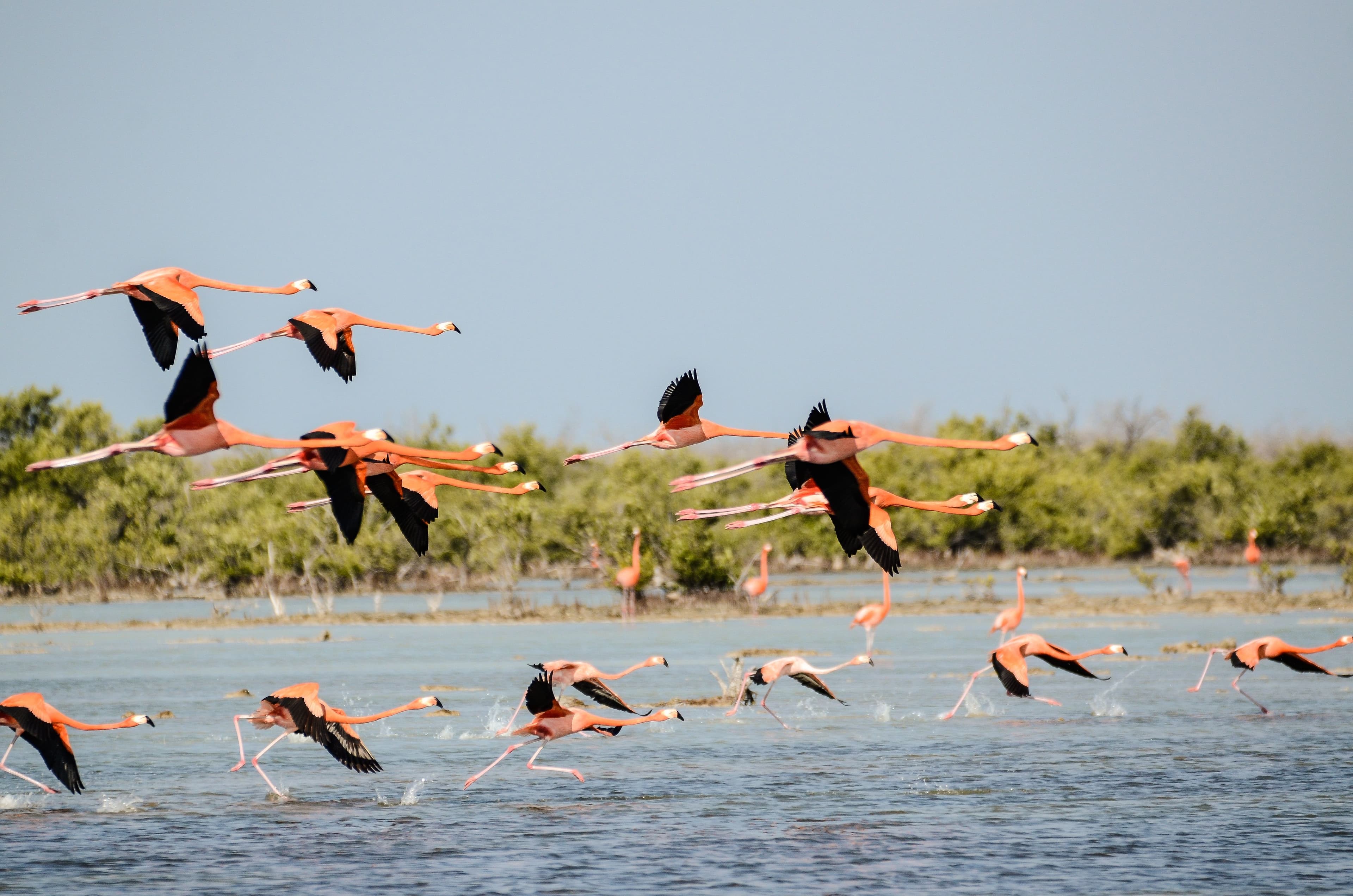
Namibia has one of the lowest population densities on earth. Drive between two places here and you will pass more oryx than cars. That changes what the trip is about. Other African countries sell you animals. Namibia sells you landscape, and the animals turn up inside it. Dunes that go orange at sunrise. A dead forest standing on white clay. A coastline where the desert runs straight into cold Atlantic fog and old shipwrecks rust on the sand. It is also the easiest country in Africa to move around. The gravel roads are good, the distances are honest, and nothing about the driving is difficult. It just takes time, and the time is part of it.
Four Landscapes, Each a Day Apart
The classic route runs south to north. Ten days does it without hurrying.
Sossusvlei
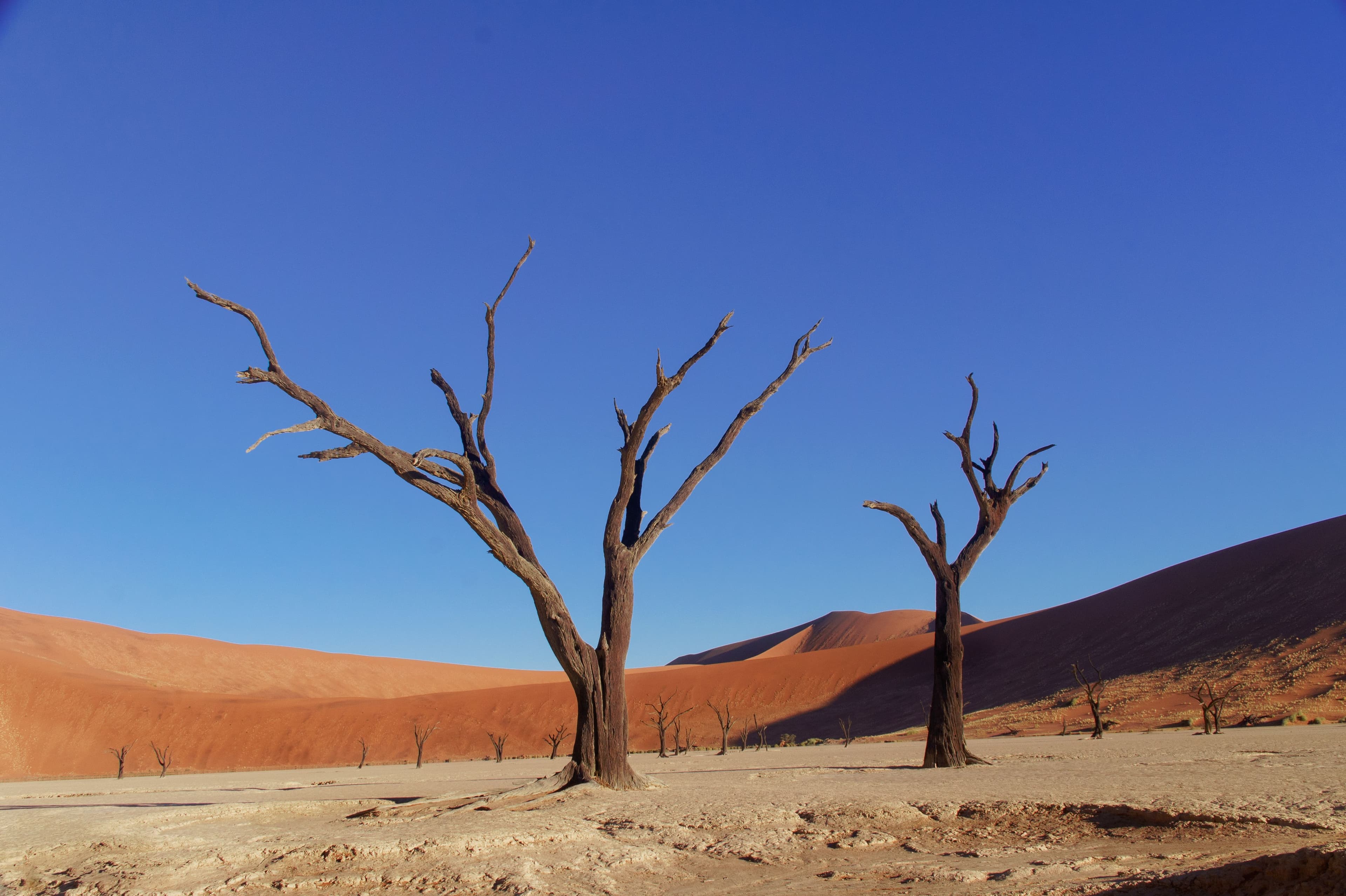
The famous red dunes of the Namib, some of the tallest anywhere
Deadvlei sits among them, a white clay pan with black dead camelthorn trees still standing on it after several hundred years.
Etosha
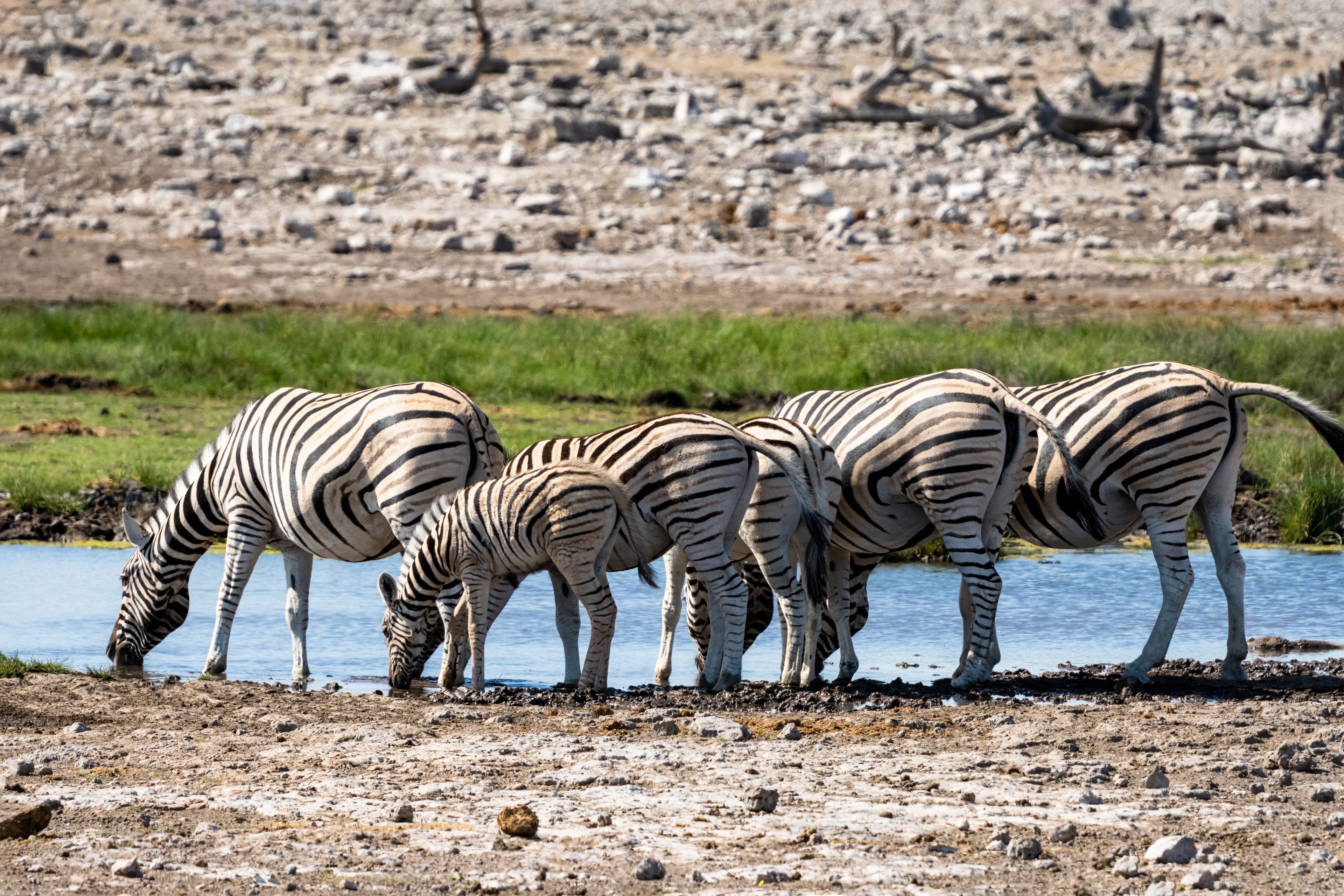
A salt pan so large it shows up from space, ringed by waterholes
In the dry months the game comes to the water in numbers, and you watch rather than search.
The Skeleton Coast
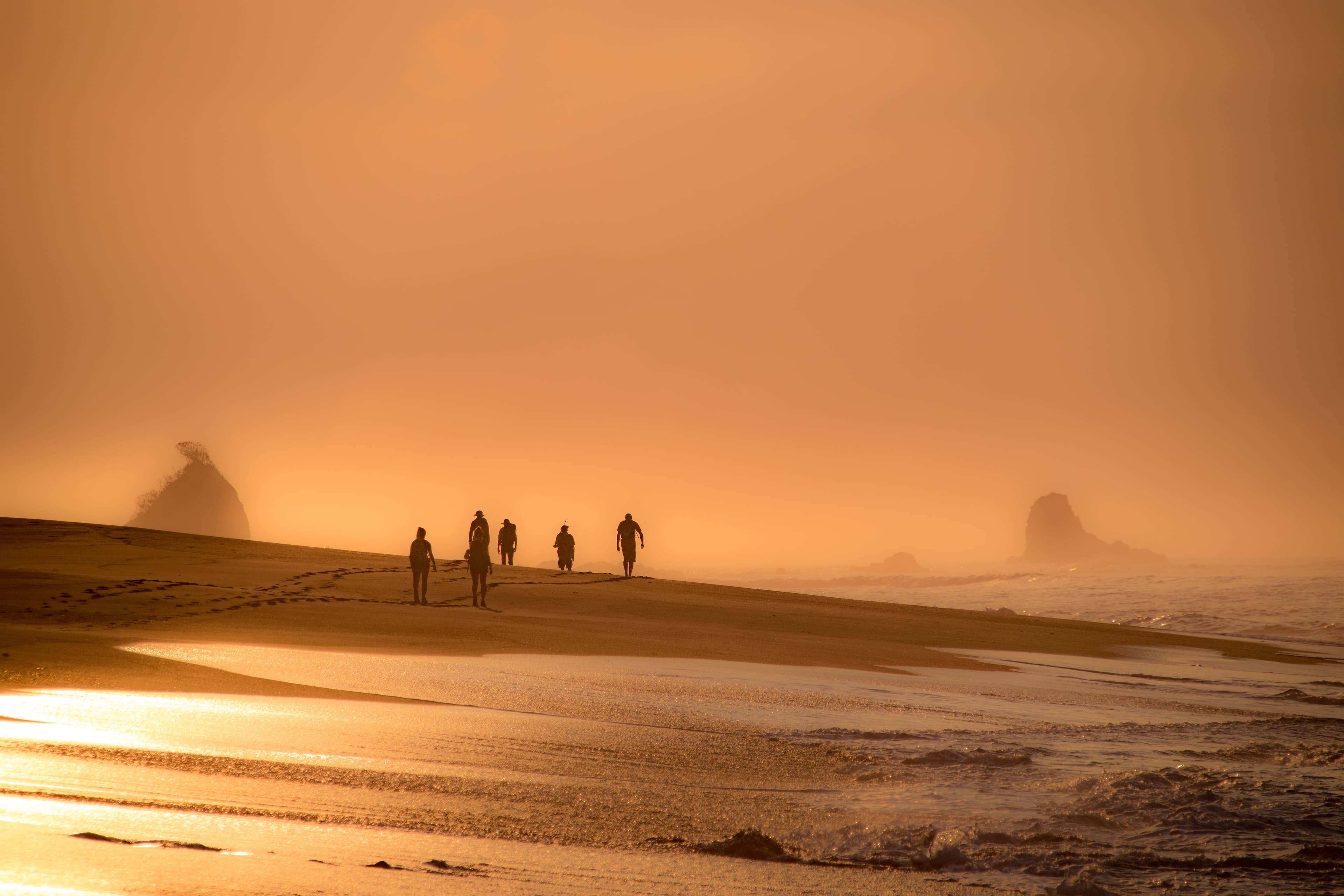
Desert meeting cold Atlantic
Fog most mornings, seal colonies in the tens of thousands, shipwrecks half buried in sand, and lions that have adapted to live on the shore.
Damaraland
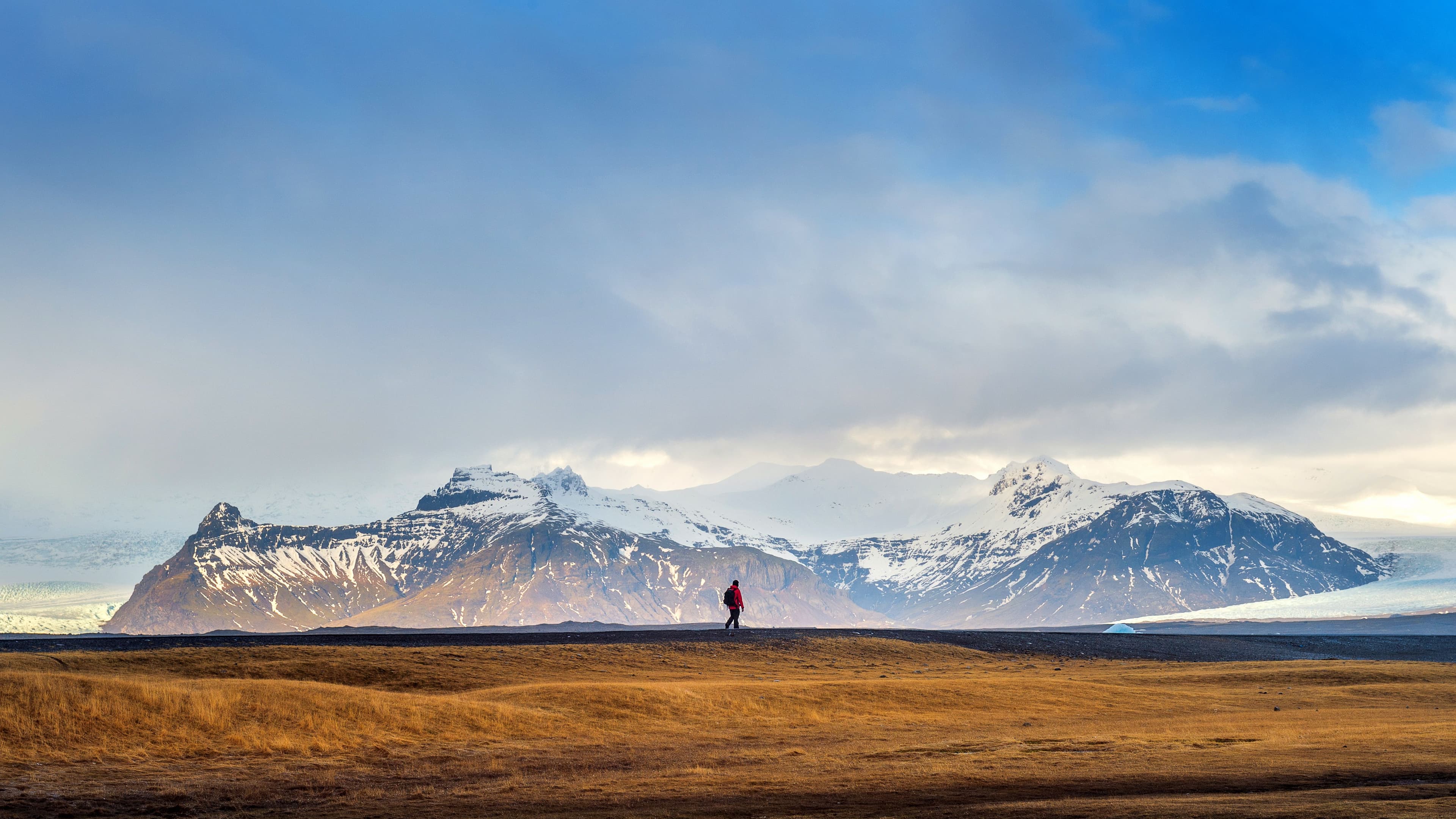
Rock and open valley between the two
Desert-adapted elephants, black rhino tracked on foot, and rock engravings at Twyfelfontein carved thousands of years ago.
Namibia, in outline.
An enormous, almost empty country where the landscape does more work than the wildlife. A quick sense of when to go and what the trip involves.
At Etosha, They Come to You

You Park at a Waterhole and Wait
On most safaris you drive around looking for animals. Etosha works the other way. The pan is dry and salty, so in the dry months almost every animal in the park has to come to a waterhole to drink. You park beside one and stay. Elephants arrive, then zebra, then giraffe doing the awkward splay-legged thing they do to reach water. Lions turn up because everything else has. Several camps have floodlit waterholes you can sit at after dark. Black rhino are more likely at night here than almost anywhere else in Africa.
Start Planning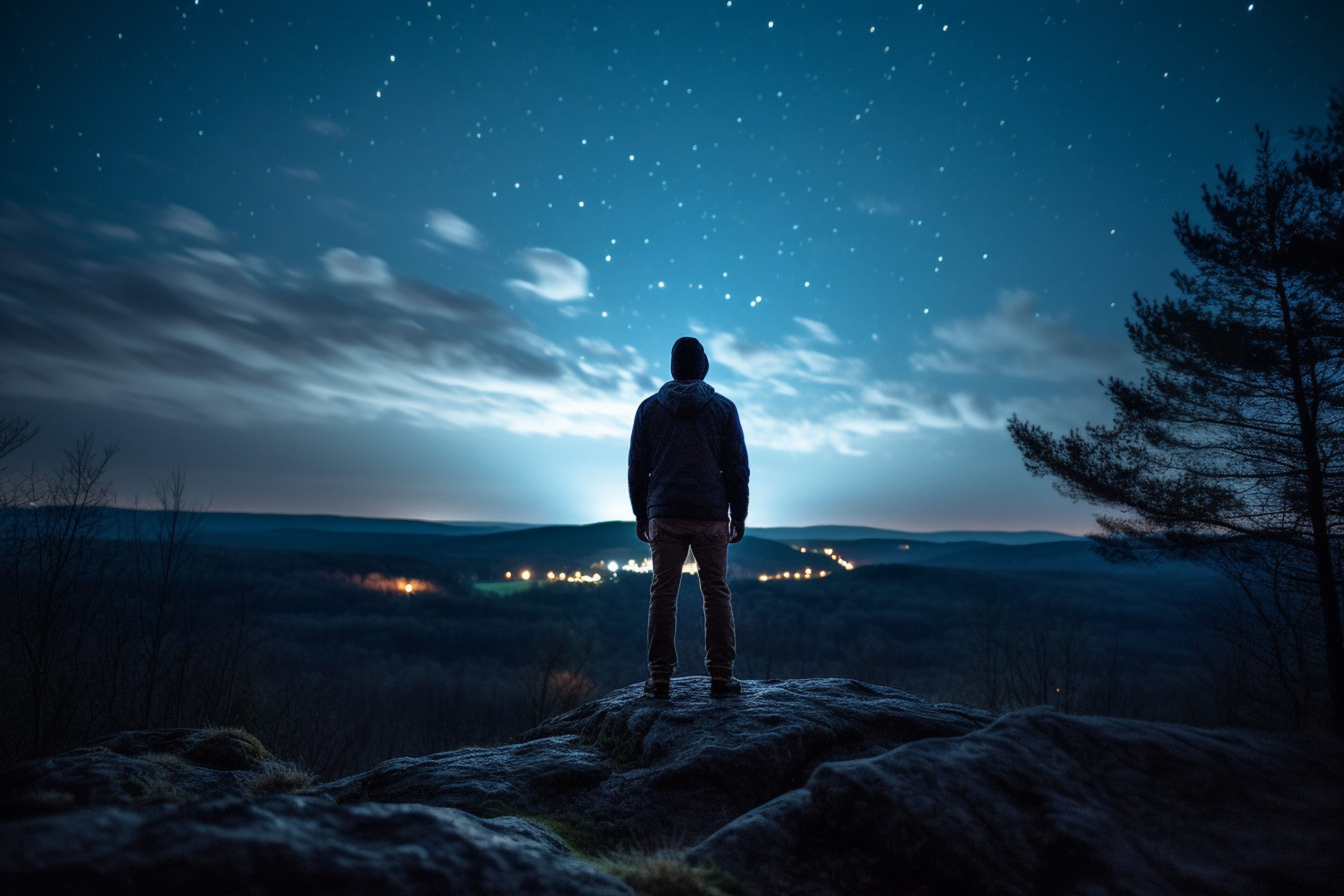
The Night Sky Here Is Not the One You Know
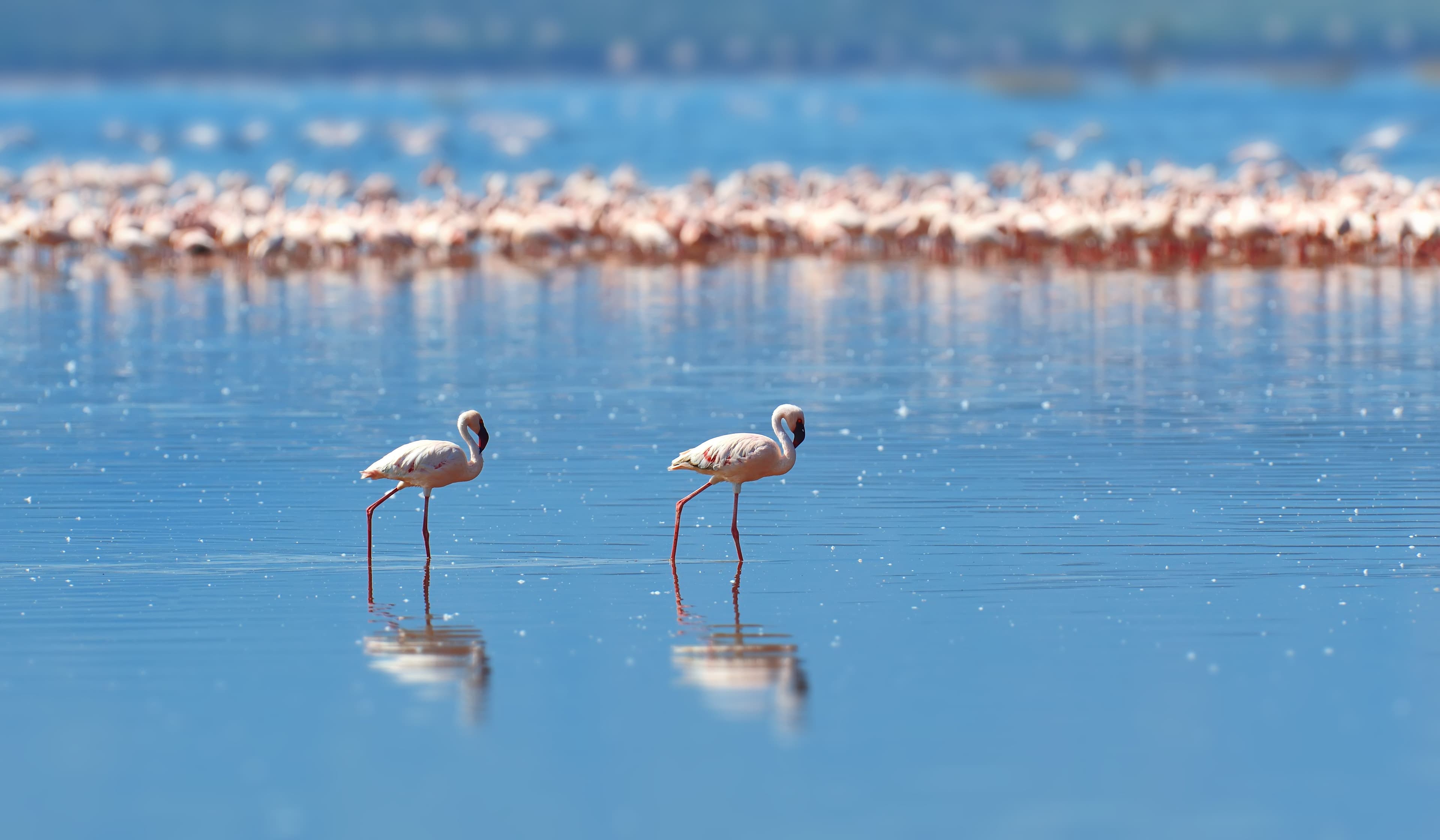
There are almost no towns, almost no cloud, and almost no light for hundreds of kilometres in any direction. Part of the Namib is a designated dark sky reserve, which is a formal way of saying the darkness is protected. What that means on the ground is that the Milky Way casts a shadow. People say that and it sounds like writing. It is not. On a moonless night at Sossusvlei you can see your hand by starlight. Several lodges have their own telescopes and someone on staff who knows the southern sky. For most travellers this turns out to be the surprise of the trip.
Decide Whether You Are Driving
Namibia is the one African country where self-driving genuinely works. The roads are good, the country is safe, and plenty of travellers do the whole route in a hired vehicle. The alternative is a private vehicle with a driver, or short flights between lodges if time is tight. Flying costs more and cuts out the long gravel stretches, which some travellers love and others find wearing. That choice sets the shape and the budget of everything else. Tell us which appeals, your month, and how long you have, and send your group size for a real figure.
Start PlanningWhat You Get When You Book Through Fortune
Two decades of running long routes have taught us what a trip actually needs, and we build every booking around that.
Two Decades of Long Routes
Nearly two decades sending travellers from Kerala across the world.
One Point of Contact
Flights, camps, transfers and paperwork all come back to the same team.
Trips Matched to the Traveller
A honeymoon route and a family route are not planned the same way.
Offices Across Kerala
With branches present in Kochi, Thiruvananthapuram, Thrissur and Kannur.
FAQs
Questions with useful answers
May to October, the dry season, when game gathers at the waterholes. November to April is green, quieter, and occasionally wet.
Ten to twelve days for Sossusvlei, the coast, Damaraland, and Etosha. Fewer than eight and you will spend most of it driving.
It is different from a first safari elsewhere. The landscape leads and the wildlife follows. If you want big cats and dense game, pair it with Botswana or add more nights at Etosha.
Yes, and many travellers do. The roads are good and the country is safe. A driver or short internal flights are the alternatives if you would rather not.
Central and southern Namibia are not malaria areas. The far north, including parts of Etosha, does carry a risk. Speak to your doctor about your route.
Route through Johannesburg or Addis Ababa into Windhoek, then continue by road or short domestic flight.