

Mozambique, the Coast Nobody Built On
Two thousand five hundred kilometres of Indian Ocean, sailed by dhow, with barely a hotel in sight.
The Beach Here Is Not the Product
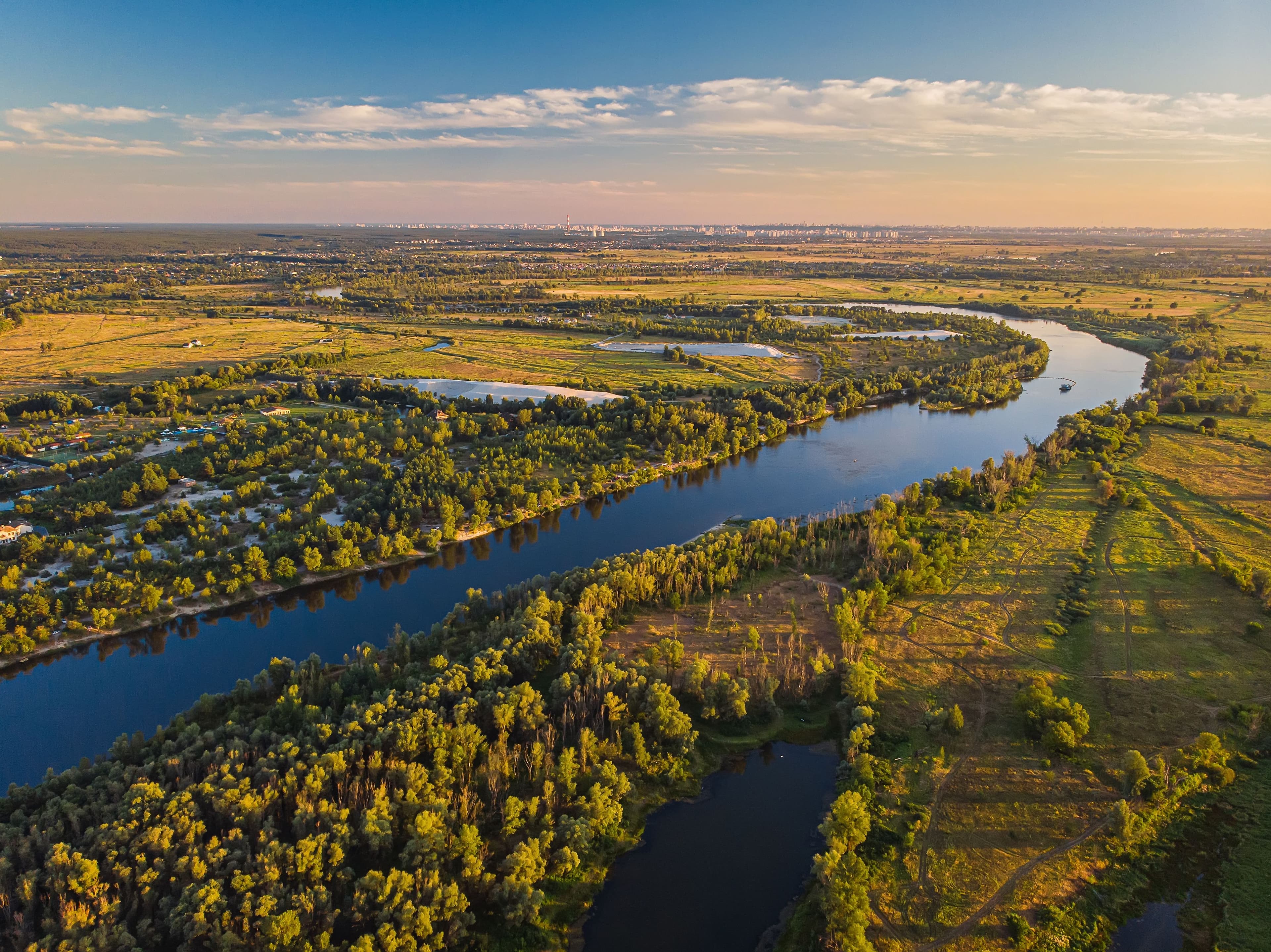
Most Indian Ocean islands sell you a room over the water and a pool. Mozambique never got that far. A long civil war kept developers away until the 1990s, and by the time it ended, most of the coast was still empty. That is now the appeal. The lodges are small, the islands have almost nobody on them, and the water has not been fished out. Whale sharks and manta rays feed off the southern coast. Dugongs still survive around Bazaruto. It asks a bit more of you than a resort island. Flights are longer, connections are fewer, and the comfort is barefoot rather than polished. What you get back is a coast that looks the way the others did thirty years ago.
Two Archipelagos, and Somewhere Between Them
The coast runs a very long way. Most trips pick one stretch and stay there.
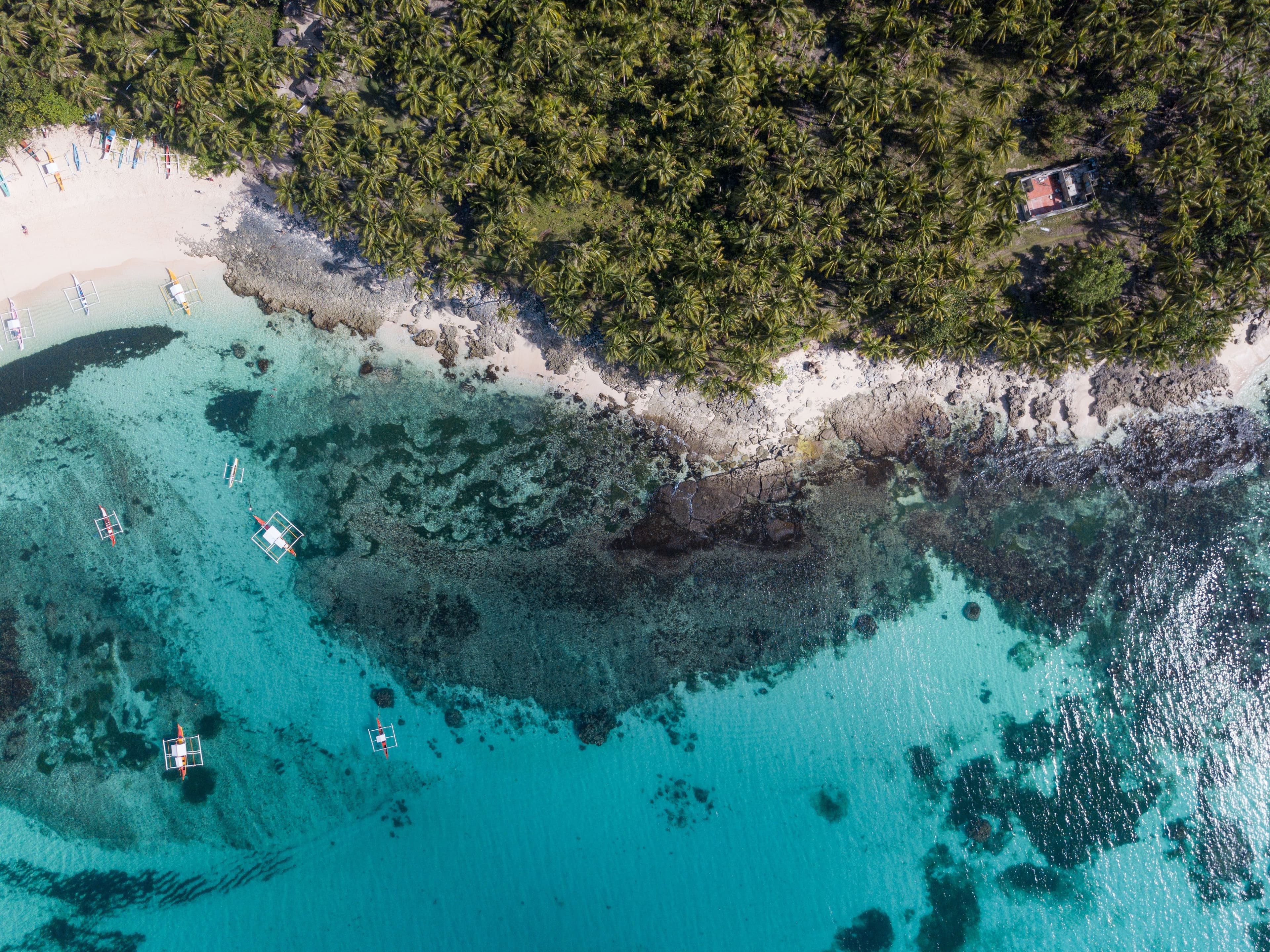
Bazaruto Archipelago
Five islands off the southern coast, protected as a marine park
Sand dunes on the islands themselves, dhow sailing across the channel, and one of the last dugong populations in East Africa.
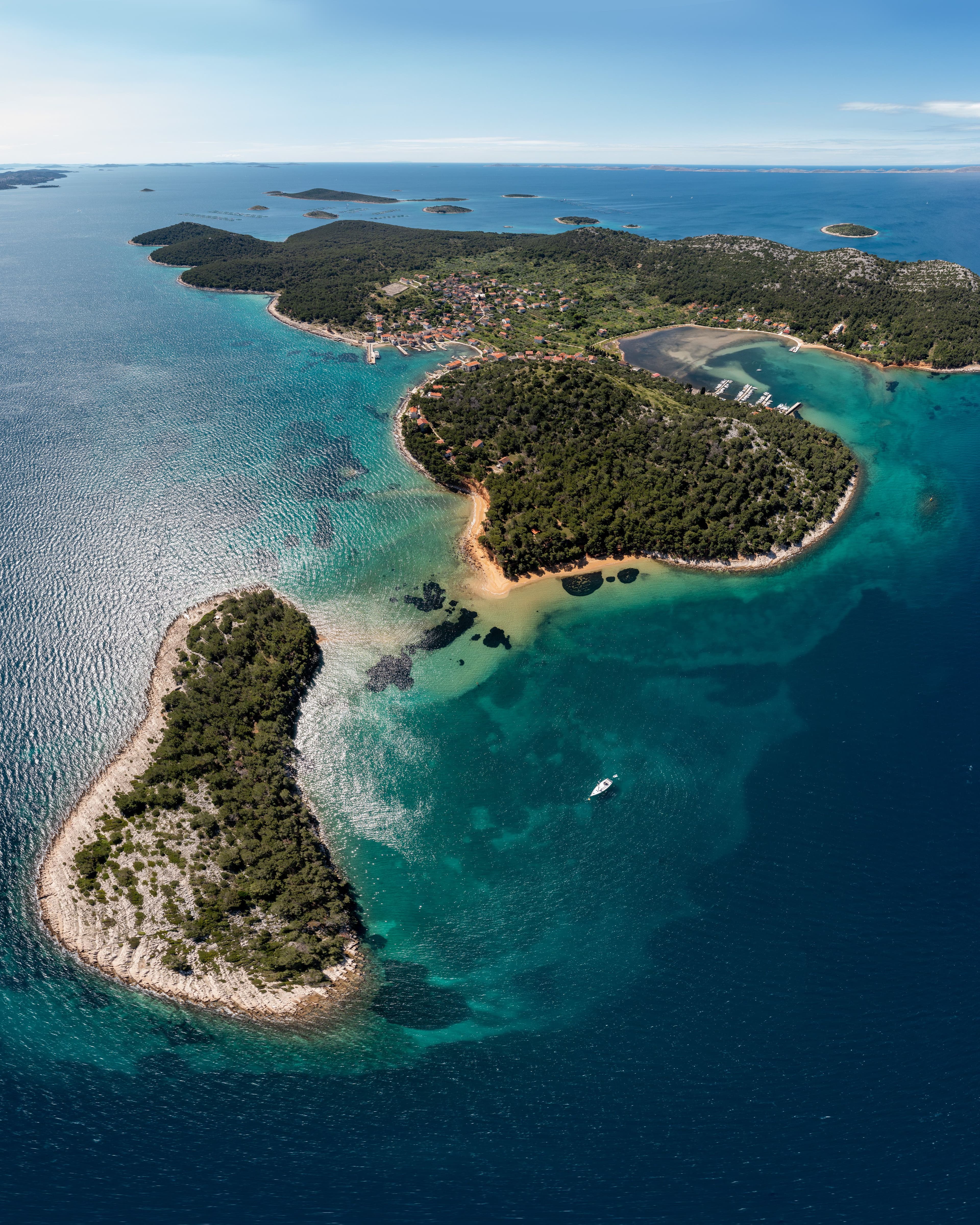
Quirimbas Archipelago
Far north, thirty-odd islands, and quieter still
This is where the lodges are most remote and the diving is at its best.
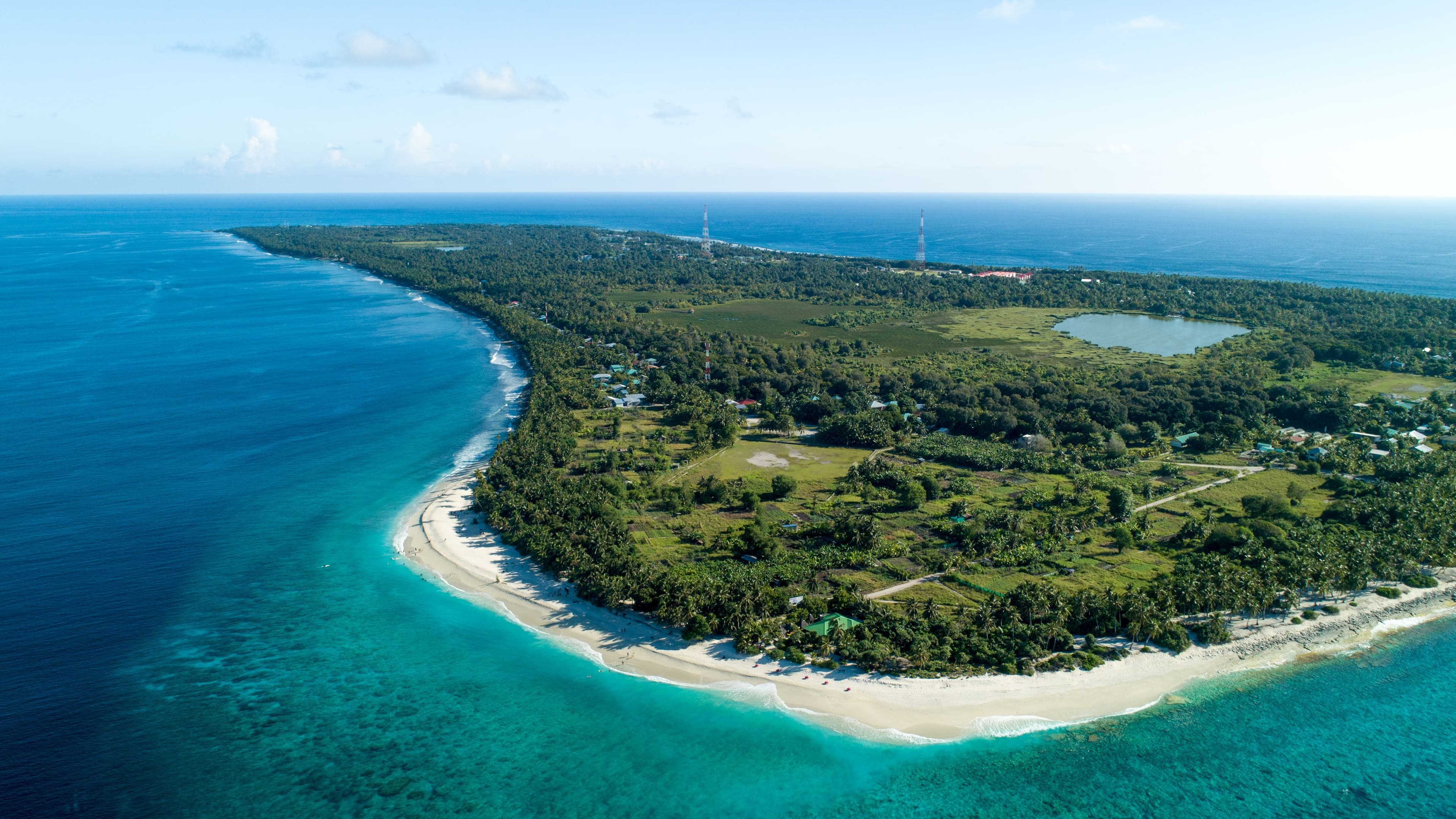
Ibo Island
Inside the Quirimbas, a crumbling old trading post of forts, Portuguese and Swahili buildings, and silversmiths still working in the lanes.
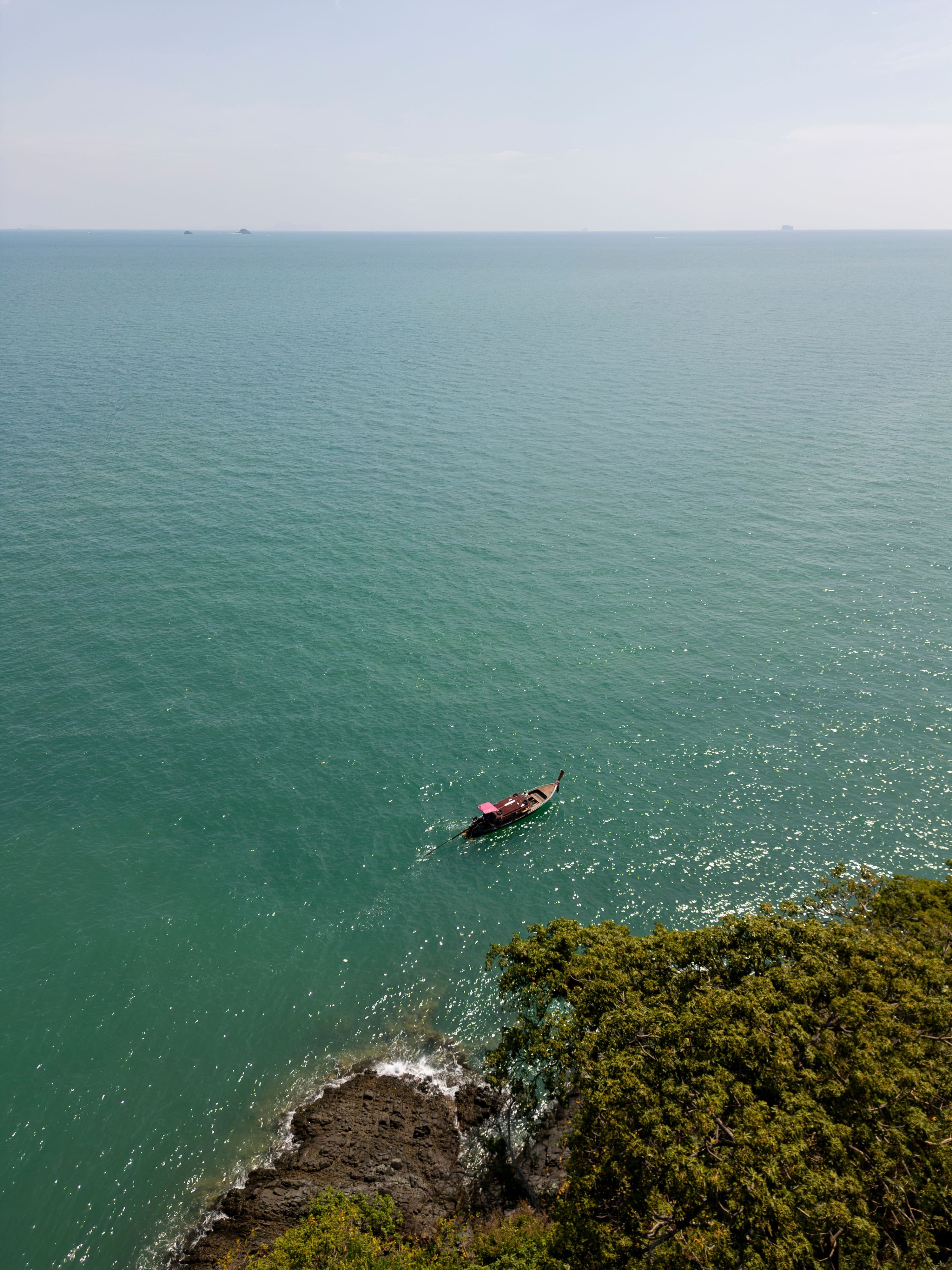
Tofo
On the mainland in the south, and the easiest place to get in the water with whale sharks and manta rays.
Mozambique, in brief.
A very long, very empty coastline with islands, dhows, and some of the best marine life in the Indian Ocean.
The Best Part Is Not the Beach

Whale Sharks, Manta Rays, and Reefs Nobody Has Worn Out
The reefs here see a fraction of the traffic that Thailand or the Maldives get, so the coral is in better condition and the fish are bigger. Off Tofo in the south, whale sharks pass through much of the year and manta rays gather at cleaning stations on the reef. Both are met by snorkel as often as by tank, so you do not need to be a diver. Further north in the Quirimbas, the diving gets serious. Walls, channels, and visibility that regularly runs past thirty metres.
Start Planning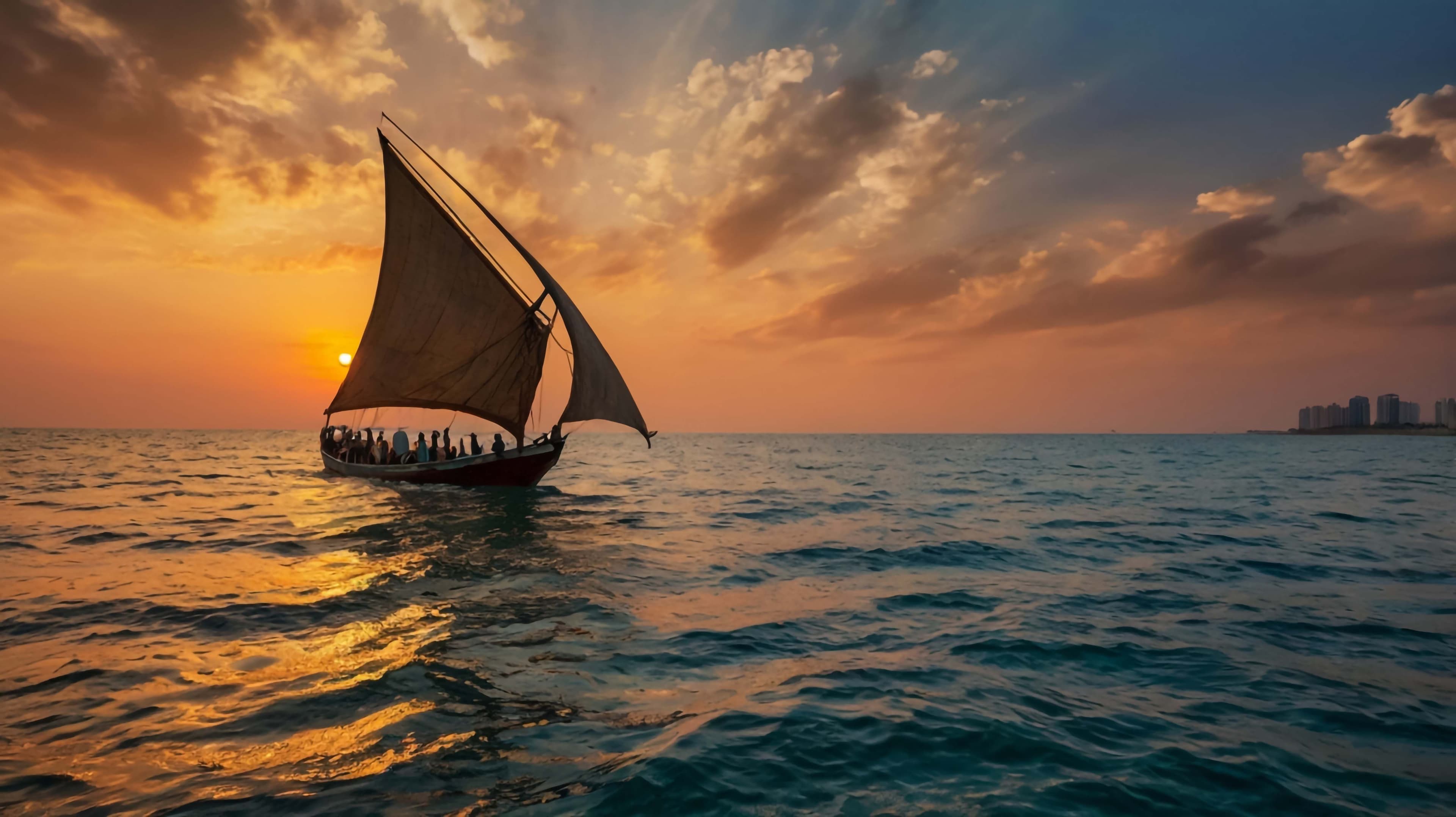
You Sail Here. You Do Not Motor.
A dhow is a wooden sailing boat with a single triangular sail, and the design has barely changed in centuries. They are still the working boats along this coast. Most island transfers and day trips happen on one. There is no engine noise, just the sail filling and the hull moving through flat water inside the reef. Sunset trips are the ones people book, but the better version is the middle of the day, when the boat stops on a sandbank that only exists at low tide and you swim off the side of it.
North or South Decides Everything
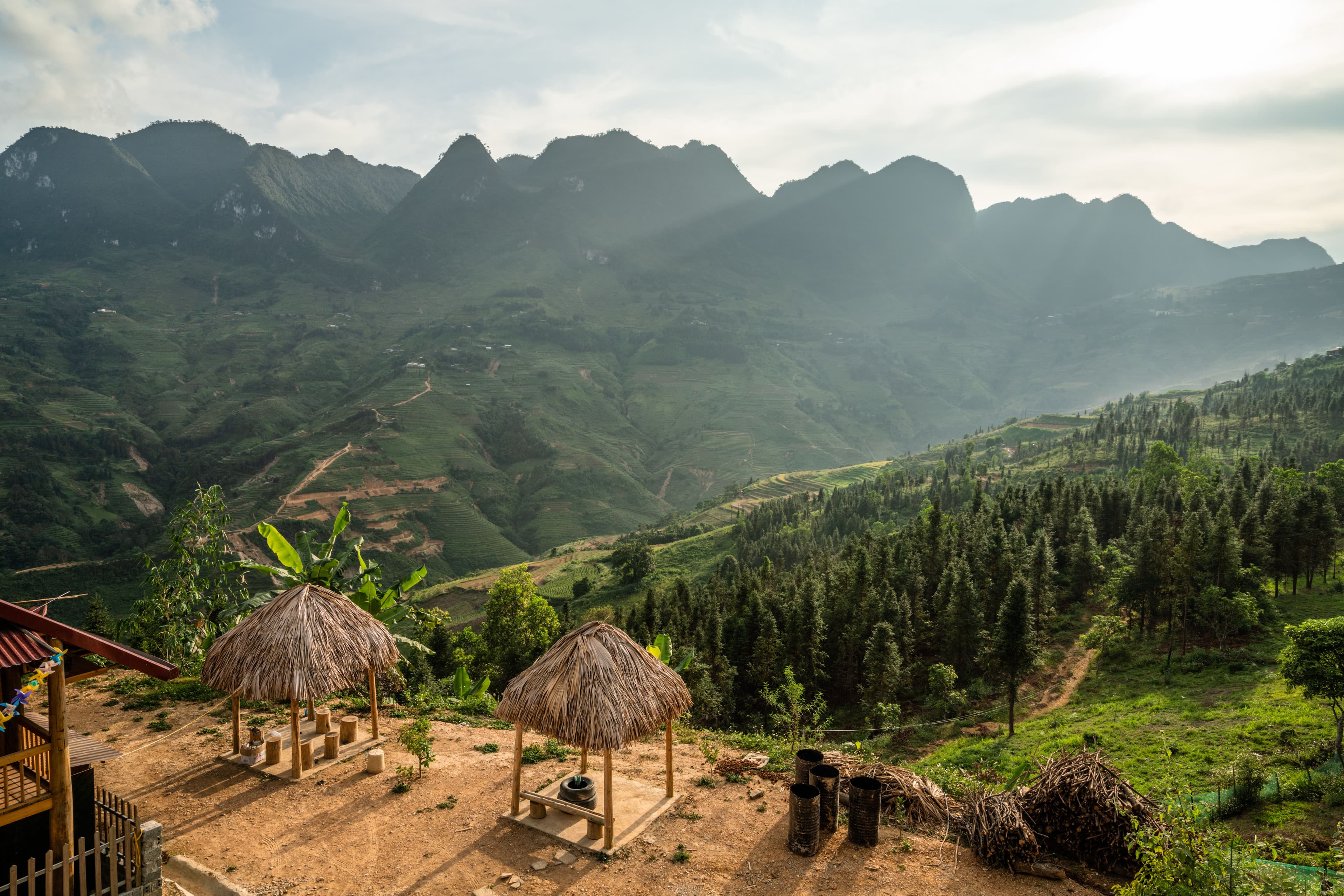
The country is long, and the two ends are not variations on each other. South means Bazaruto and Tofo. Easier to reach, better for a first visit, and the place to go if whale sharks are what you want. North means the Quirimbas. Harder to get to, more expensive, and considerably more remote once you arrive. That choice sets your flights, your budget, and your pace. Tell us which appeals and how long you have, and send your group size for a real figure.
Start PlanningWhat You Get When You Book Through Fortune
Two decades of running long routes have taught us what a trip actually needs, and we build every booking around that.
Two Decades of Long Routes
Nearly two decades sending travellers from Kerala across the world.
One Point of Contact
Flights, camps, transfers and paperwork all come back to the same team.
Trips Matched to the Traveller
A honeymoon route and a family route are not planned the same way.
Offices Across Kerala
With branches present in Kochi, Thiruvananthapuram, Thrissur and Kannur.
FAQs
Questions with useful answers
May to November. December to April is wet with a cyclone risk, and some island lodges close.
Seven to ten nights on the coast. Add three or four more if you are combining it with a safari elsewhere.
Off Tofo in the south, yes, for much of the year. Manta rays are common on the same reefs. Both are usually met by snorkel.
South is easier and cheaper to reach and better for whale sharks. North is more remote, more expensive, and has the stronger diving.
Route through Johannesburg, Nairobi, or Addis Ababa, then take a domestic flight to Vilankulo or Pemba.
Yes. South Africa's Kruger and Zimbabwe's Victoria Falls both pair naturally, and the coast works best at the end.