

Ethiopia Tour Packages, Highland Churches to Mountain Escarpments
Churches cut down into solid rock, monkeys with red chests on cliff edges, and a calendar that is running seven years behind yours.
Ethiopia Kept Its Own Everything
Most of Africa was carved up by European powers. Ethiopia never was, apart from a short Italian occupation in the 1930s. That single fact explains most of what makes the country feel unlike anywhere else. It kept its own alphabet, its own church, its own calendar of thirteen months, and its own clock that starts counting at sunrise. Ask the date in Addis Ababa and the answer will be about seven years behind what your phone says. Nobody is joking. Travel here is not about ticking off famous sights. It is about walking into a place that has been running on its own terms for a very long time and still is.
Lalibela, the Simien Mountains, and Gondar
The northern route strings together three of Ethiopia's great sights, with the capital at either end. Four stops, and none of them feels like the others.
Lalibela
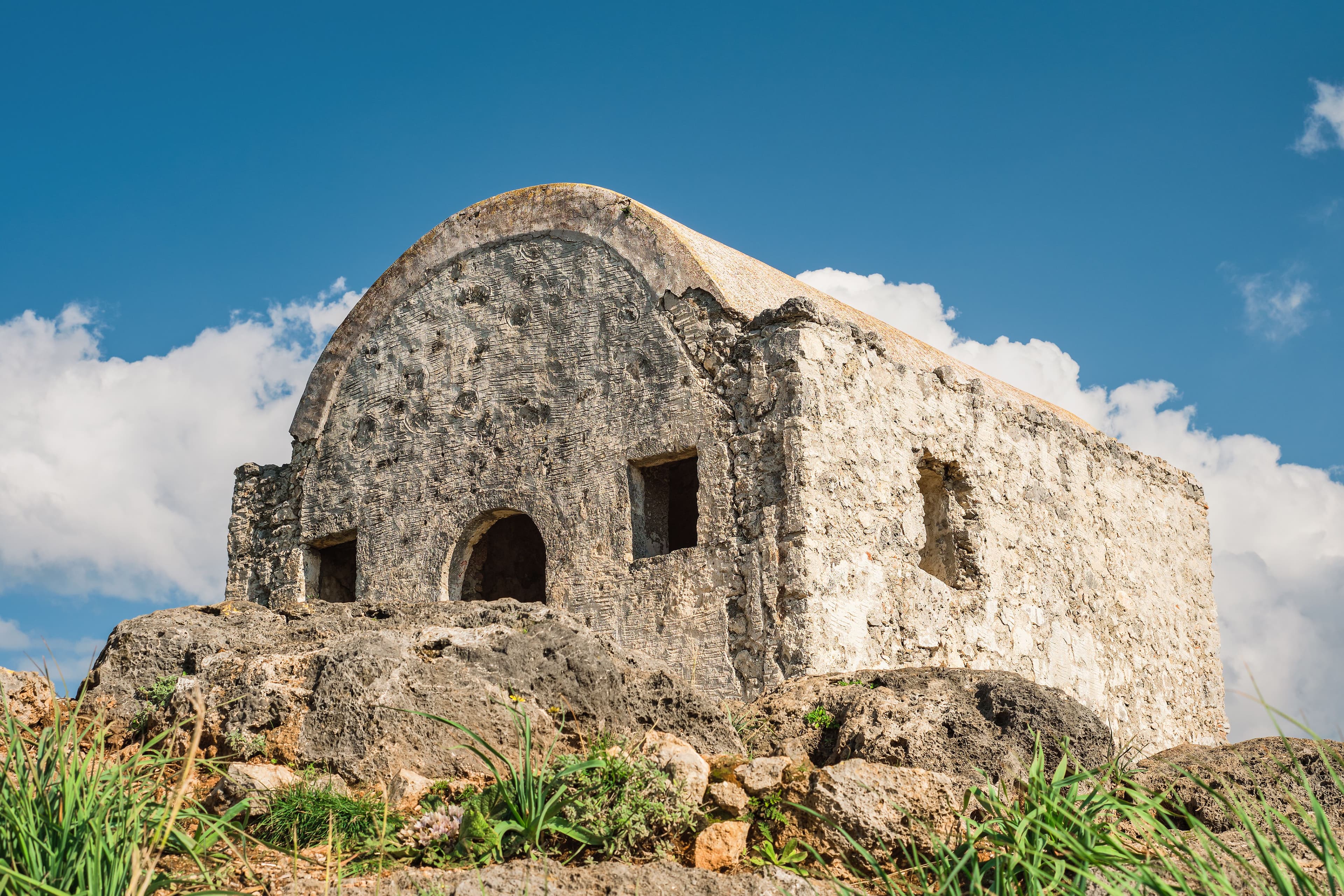
Eleven churches cut downward into solid rock, carved from the top so the roofs sit level with the ground
Still working churches, with priests inside.
The Simien Mountains
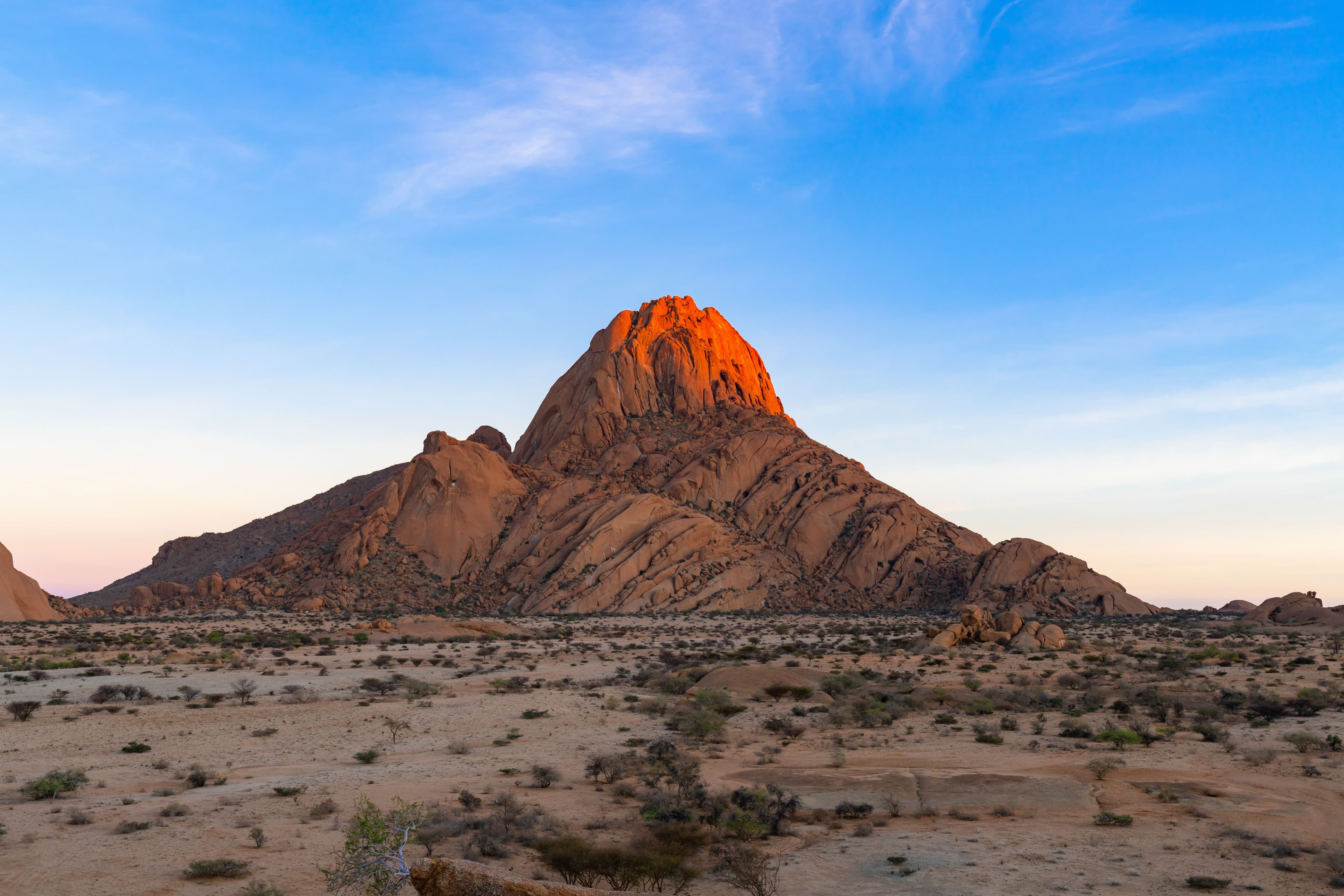
Eroded cliffs and deep gorges in the north, listed by UNESCO
Gelada monkeys live along the escarpment edges and are found nowhere else on earth.
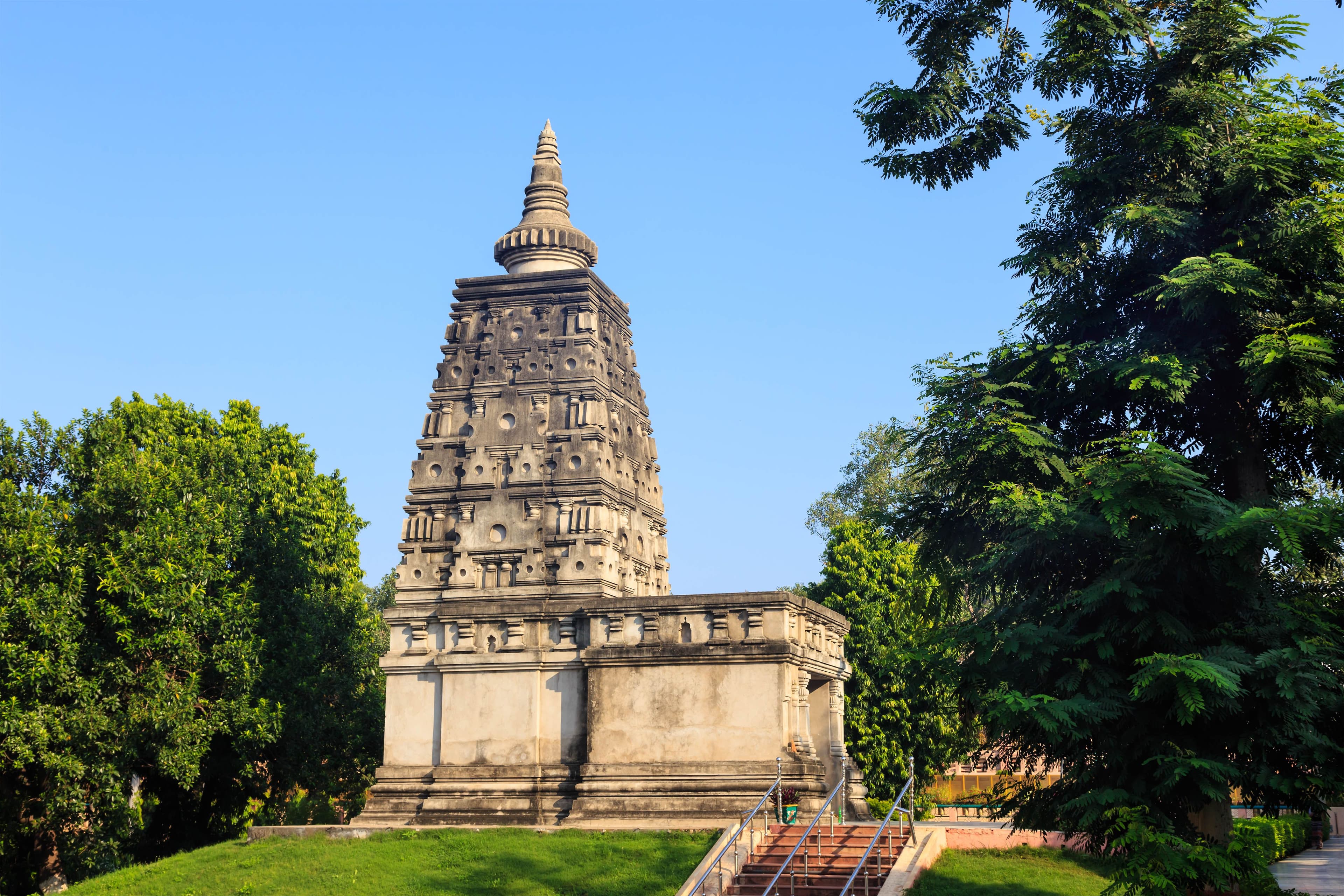
Gondar
The old imperial capital
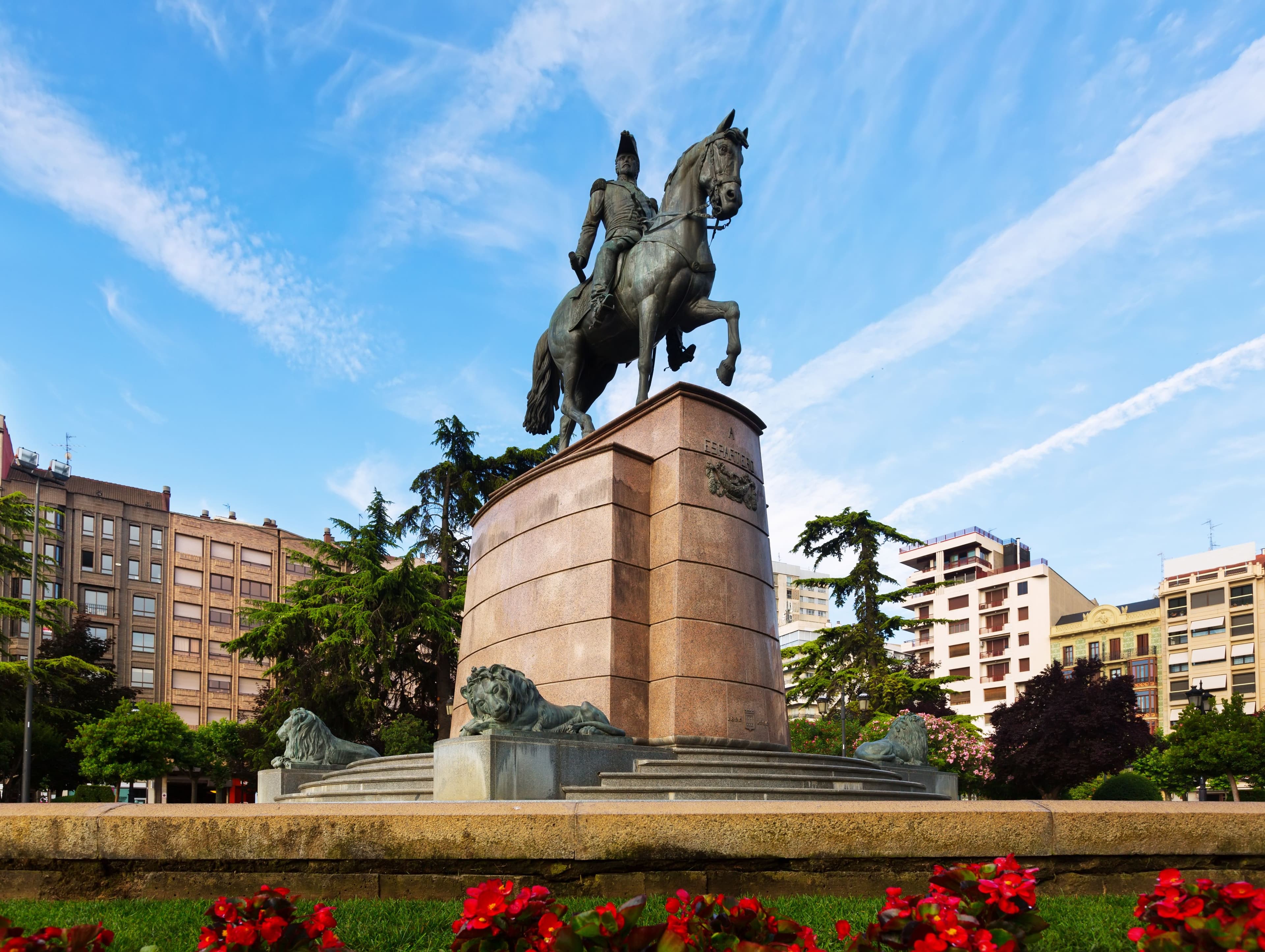
Fasil Ghebbi sits at its centre, a walled compound of seventeenth century castles that looks more European than African.
Addis Ababa
Where the trip starts and ends
Markets, museums, high thin air, and the coffee ceremony done properly.
Ethiopia, in short.
Rock churches, highland trekking and castles, in a country that kept its own calendar and its own church. Get a quick sense of when to visit and what kind of journey Ethiopia is best suited for.
These Churches Were Cut Out of the Ground, Not Built On It
Start at the Roof and Work Down
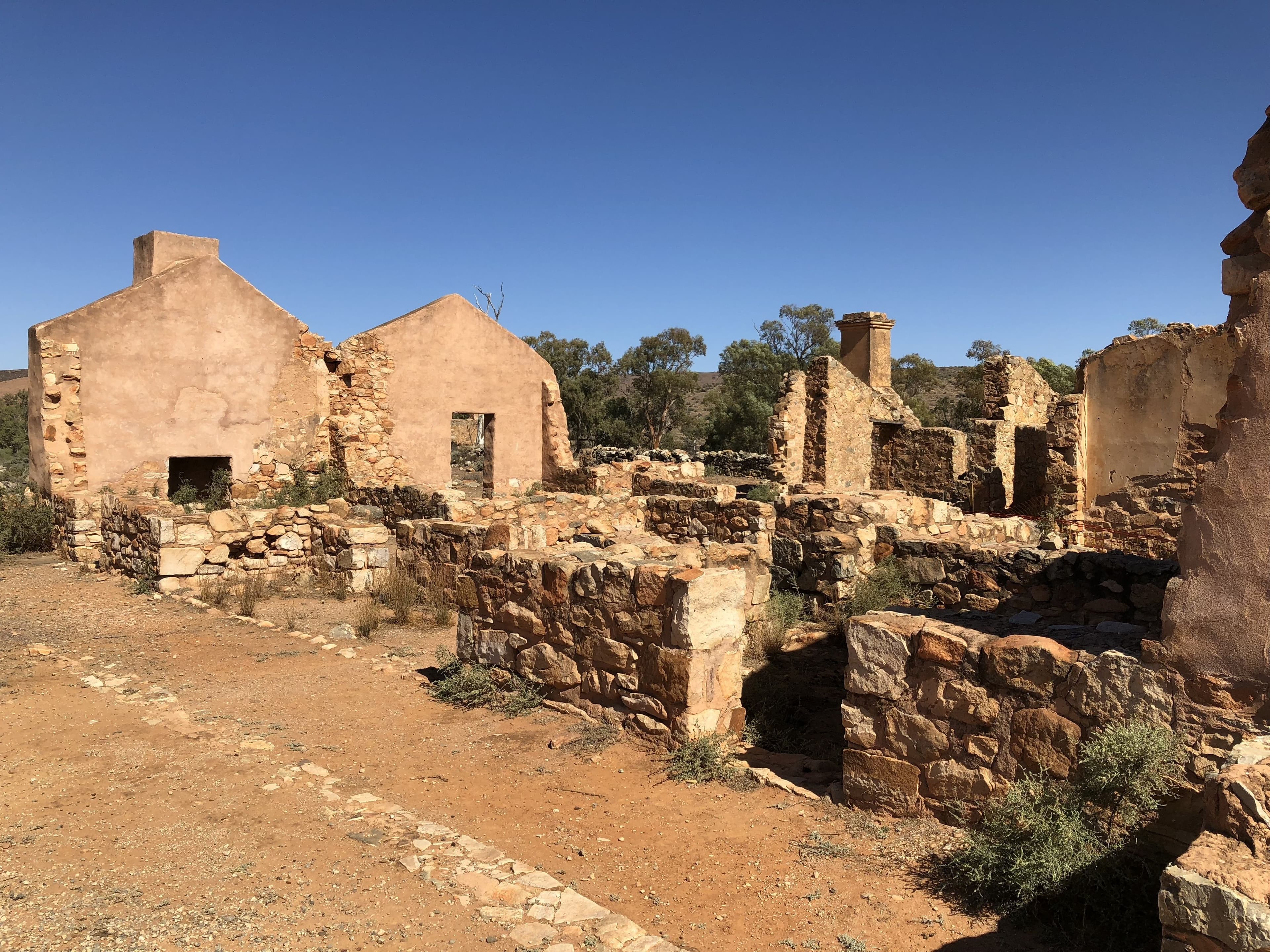
A normal building starts at the ground and goes up. Lalibela went the other way. Workers cut a deep trench into the rock to isolate a block, then hollowed that block out from the top. Windows, doorways, columns, and drainage all came out of one piece of stone. Nothing was carried in and stacked. The best known is Bete Giyorgis, the Church of St George, cut in the shape of a cross and set in a pit deep enough that you look down on its roof from the rim. They are close to nine hundred years old and still in daily use. You take your shoes off at the entrance like everyone else.
Send Us Your Dates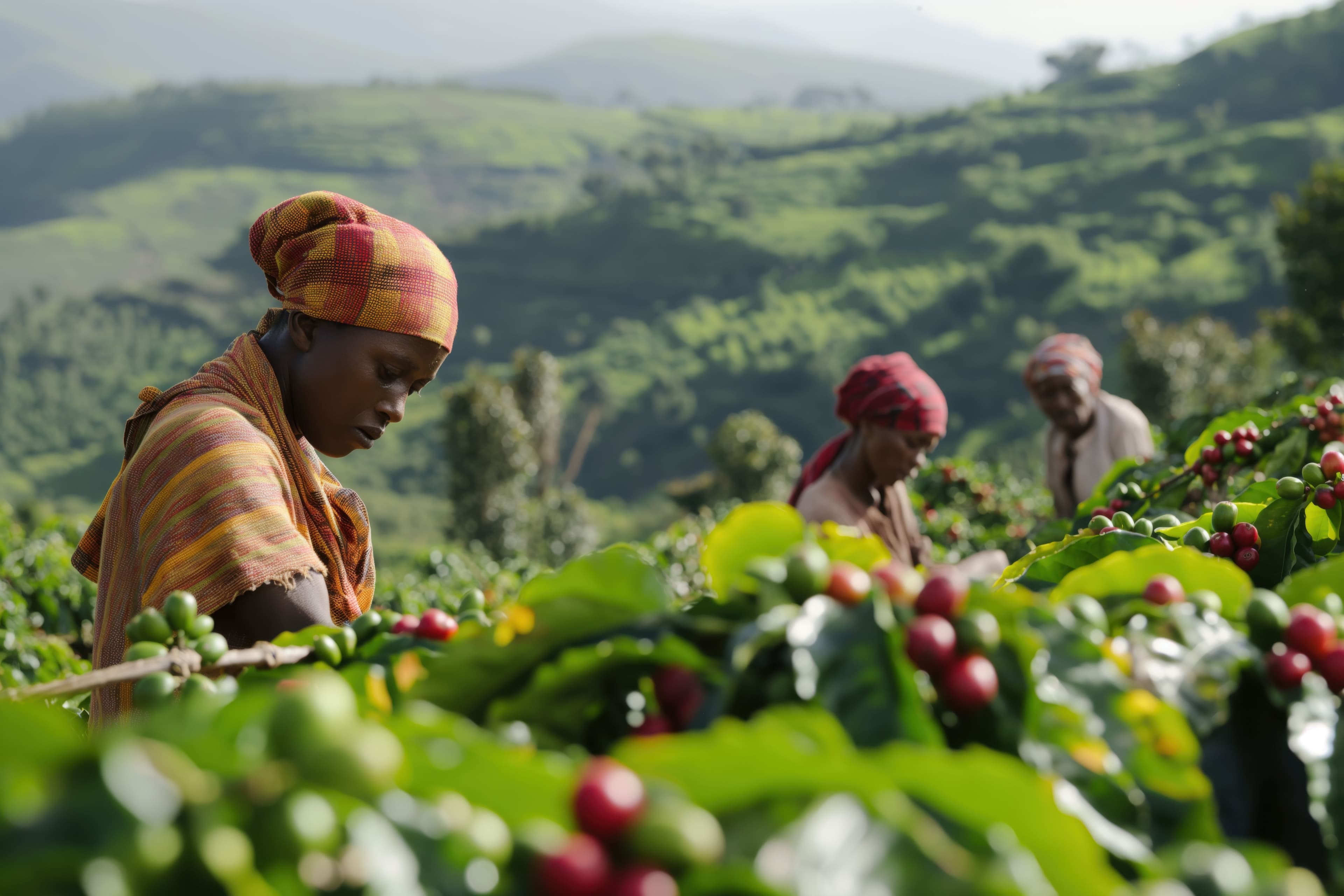
Coffee Started Here, and It Still Takes an Hour
Coffee comes from Ethiopia. The plants grew wild in the southern forests long before anyone traded the beans, and the country still drinks it the old way. The ceremony runs in stages. Green beans are roasted over coals in front of you, and the pan is carried round so everyone can take in the smell. The beans are ground by hand. Water goes into a clay pot called a jebena and comes out as three rounds of coffee, each one weaker than the last. Grass is scattered on the floor. Incense burns alongside. It takes about an hour, and it is not a performance for visitors. It is how people drink coffee. Sit through it once and you will understand more about the place than a museum would tell you.

We Can Start From Anything You Give Us
If you already have a shape in mind, send it. Twelve days, Lalibela early, four nights trekking in the Simiens, Gondar on the way back. We will price it and book it. If you have nothing but a rough month, that works too. Tell us how long you can travel and who is coming, and a plan will come back to you. Move things around or leave it alone. The cost depends on how many internal flights the route needs, how much of the trip is trekking, and which lodges you use. Send your dates and the number of travellers, and we will give you a proper figure.
Plan My TripWhat You Get When You Book Through Fortune
Two decades of running long routes have taught us what a trip actually needs, and we build every booking around that.
Two Decades of Long Routes
Nearly two decades sending travellers from Kerala across the world.
One Point of Contact
Flights, camps, transfers and paperwork all come back to the same team.
Trips Matched to the Traveller
A honeymoon route and a family route are not planned the same way.
Offices Across Kerala
With branches present in Kochi, Thiruvananthapuram, Thrissur and Kannur.
FAQ
Questions with useful answers
October to March. The rains end around late September, the highlands are green, and trekking paths are dry. June to September is the main rainy season and difficult in the mountains.
Ten to twelve days covers Lalibela, the Simien Mountains, and Gondar at a sensible pace, with time to adjust to the altitude at the start.
It can be if the trip is rushed. Addis Ababa is above 2,300 metres, and the northern route goes higher. We keep the first days light and build the trekking up gradually.
Yes. Requirements change from time to time, so we check what applies to your passport and travel dates and handle the paperwork.
The Simien Mountains for trekking and gelada monkeys, Gondar for its seventeenth-century castles, and Addis Ababa for markets, museums, and food. The coffee ceremony is worth building a day around.
Yes. The Simien Mountains offer some of the best highland walking in Africa, with day walks along the escarpment as well as multi-day routes. We match the route to your fitness.